Sketch 2: The Gig-Work Market
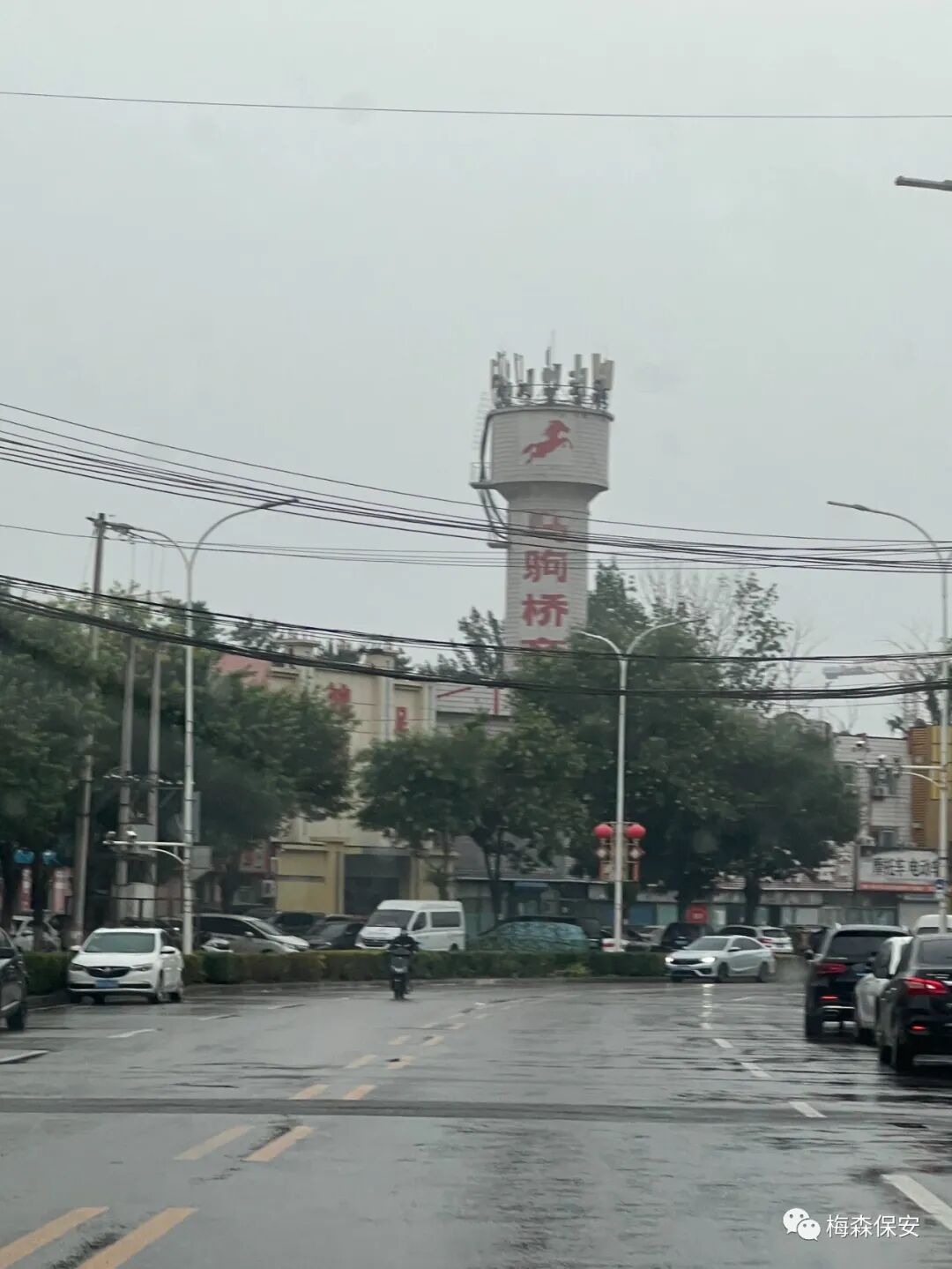
When I walk, I sometimes feel that the urban landscape—or rather, the distribution and arrangement of objects—is an allegory. Humans create these things, and at the same time the things reveal human fate. As if a man proudly lifted the curtain from his creation and discovered an enormous mirror underneath. At Majuqiao, Beijing's largest gig-work market, the feeling is especially strong.
Two weeks ago, I went to Majuqiao on a weekend afternoon. Yesterday, I returned before dawn. As I walked the street, the first thing that puzzled me was the extraordinary concentration of shops selling burial clothes. Along Majuqiao's main commercial street, they stood in ranks—uniform black signs, white Song-style characters reading “Wholesale Burial Clothes and Cinerary Caskets”—vastly outnumbering supermarkets and restaurants. The breath of death came straight at you. There were indeed several small hospitals nearby, but not that near.
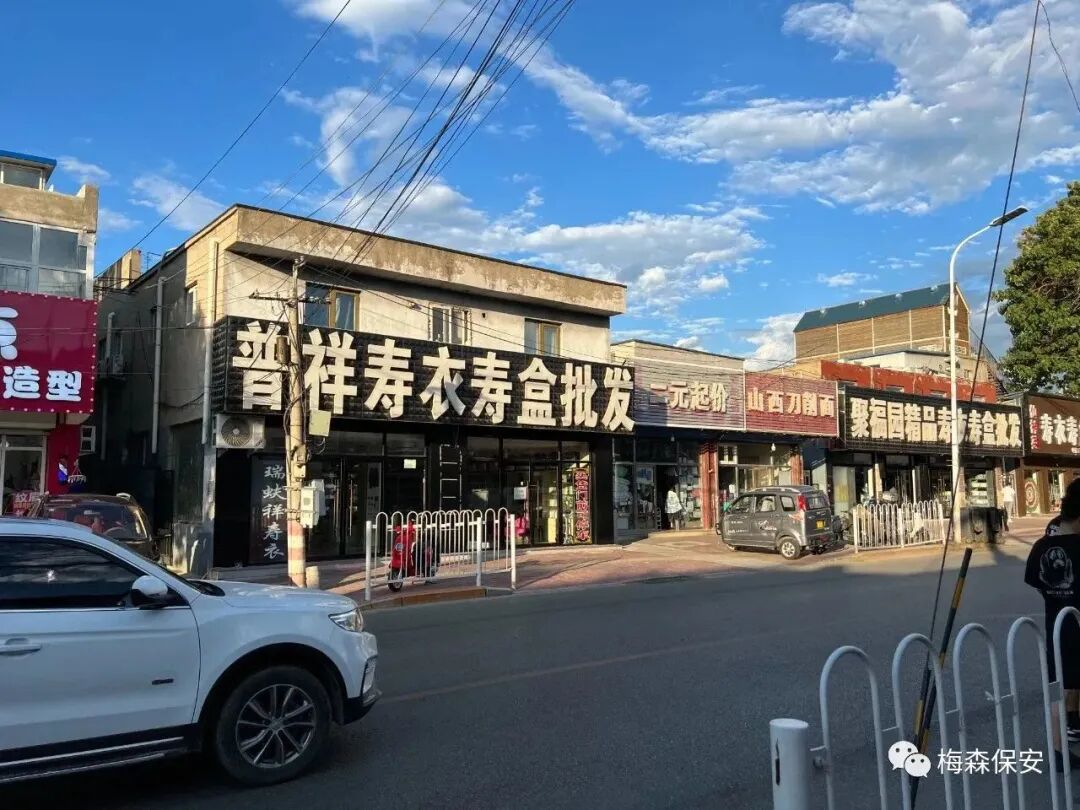
Only later did I learn that this was Beijing's funeral-supplies street, specializing in wholesale burial clothes. The place is a great warehouse. From here, objects signifying condolence and sorrow are sent to funeral homes and shops around the city's hospitals. As one organ of a city, this is not surprising. What is surprising is that, at the end of the street, the landscape reverses.
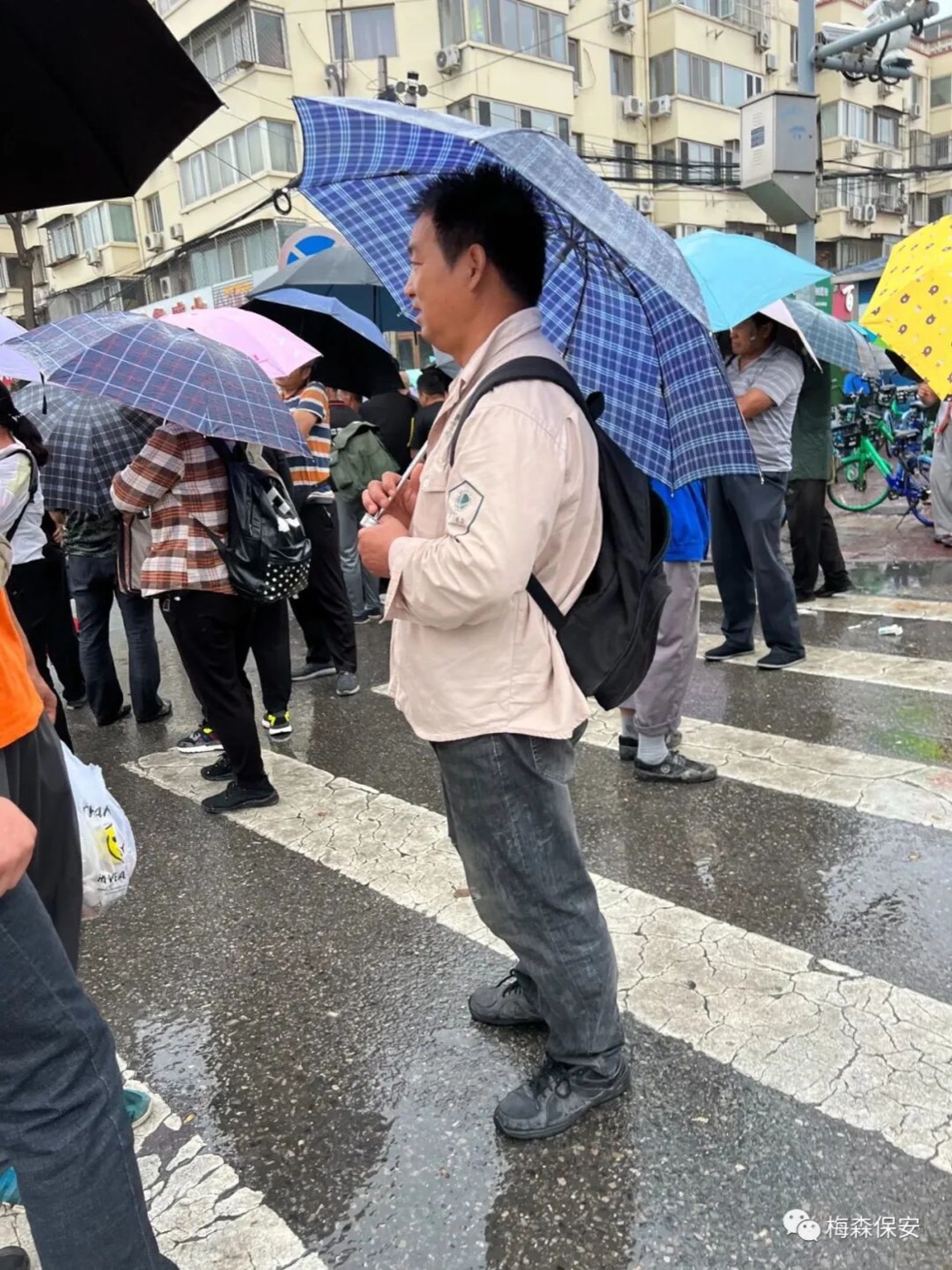
There is an intersection. The nearer you come, the more people there are. Most are middle-aged men, standing, sitting, waiting. Heads layer upon heads. At the intersection, the heads become a whirlpool, black spheres shifting, clamoring, sometimes rubbing together. They wait for labor brokers, who bring a limited number of places: day jobs paying one or two hundred yuan. With almost no transition, Beijing's largest spontaneously formed gathering place for gig workers appears.
Perhaps to make it less conspicuous, the municipal authorities have enclosed a large part of the intersection with green metal fencing and placed shared bicycles inside. Thus a new style of riding was born: many of the men searching for day labor sit astride shared bicycles in the posture of setting off, though the bicycles remain locked. The vehicle exists as a seat. Because they are waiting—for a long time, without hope, work coming and going at random. Here, civilization assumes the posture of a basic skeleton.
Within the human whirlpool, people lean together and talk loudly. There is no work anyway. Less and less of it. Fragments of voices: “Not a cent, and he's fucking digging another hole for himself.” “Put it plainly, he's a stray dog, fuck. I'm a stray dog too.”
The breath of death filling the entire street forms a strange intertext with the noisy zone at its end, heavy with human sweat and deep breathing. One leaps straight from the ocean floor into a volcanic crater, losing weight as on a staircase into the sky. Agamben's “bare life” plays itself out here. The people at the intersection are naked almost like animals: they have no protection, no certainty of one meal after the next, and must tear at one another even for the chance to labor. In the symbolic language of the landscape, they also stand with their unguarded backs to death—or face it, since the direction of a person's gaze is often opposite the direction in which he travels. Everywhere else, civilization excels at raising barriers against it: administrative divisions, streets, hospitals, cemetery lawns, gravestones. Even these barriers are built from illusion.
Majuqiao lies beyond Beijing's South Sixth Ring Road, at the edge of Tongzhou. Places like this enjoy the name “Beijing” in name alone. On the way there, I remember passing the Liangma River. In summer, fashionable people paddle boats and swim in it.
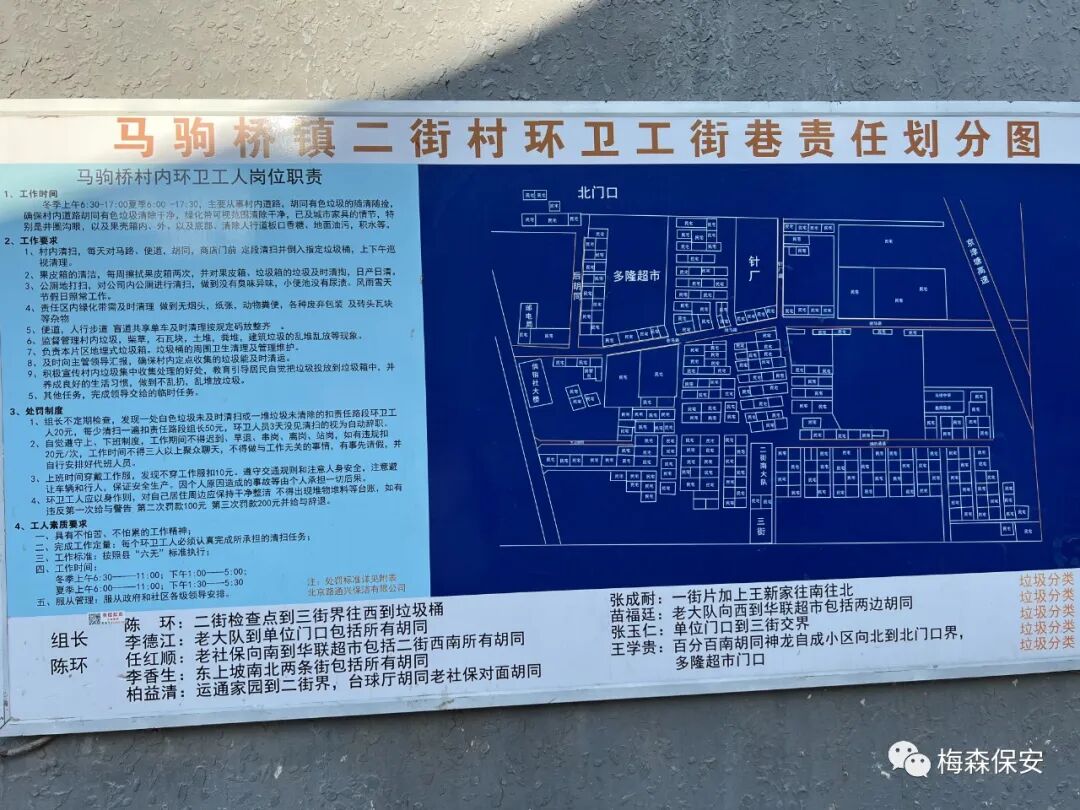
Turn into the overlapping alleys of Majuqiao, and order is present in daylight. From a wall chart dividing the sanitation workers' responsibilities, I acquired a basic conception of the area. Duolong Supermarket and the needle factory must be its prominent landmarks. Everything else was a small square representing a private home. According to the chart, sanitation workers must clean “colored rubbish in alleyways,” the “visible range of planted areas,” and “allso the situashun of urban furniture, particulary well rings and drain eyes,” among other things. (There were so many wrong characters that the notice approached poetry.) They must wear a work uniform; failure to wear one cost ten yuan. They must conscientiously complete their assigned and other tasks, especially temporary tasks given by leaders. They must possess a working spirit unafraid of hardship or fatigue. Team leader Chen Huan was responsible for the area from the Second Street inspection point to the boundary of Third Street, westward to the rubbish bins.
Prices were naturally low. Goods under five yuan, such as bottled water, generally cost one or two yuan less than in the city. Almost every private home displayed rental notices of one kind or another: move straight in, hot water included. The area reportedly held more than a hundred thousand transient residents. Shop signs described their needs in blunt language—the needs of a life that continually repays one overdraft by taking another. A red sign in white characters at a phone and computer accessories shop read: “This shop accepts Huabei, Baitiao, and credit-card payment. Services: housing-fund withdrawal and credit-card repayment.” There were many hair-washing shops, foot-massage shops, and salons beside the road. Women looked out from some of them. One salon apparently could not afford the rotating barber pole outside and, with considerable humor, printed a picture of one and pasted it to the glass. Perhaps not knowing what to put on an interior wall, it hung an eye chart, allowing customers to test whether they were blind before entering.
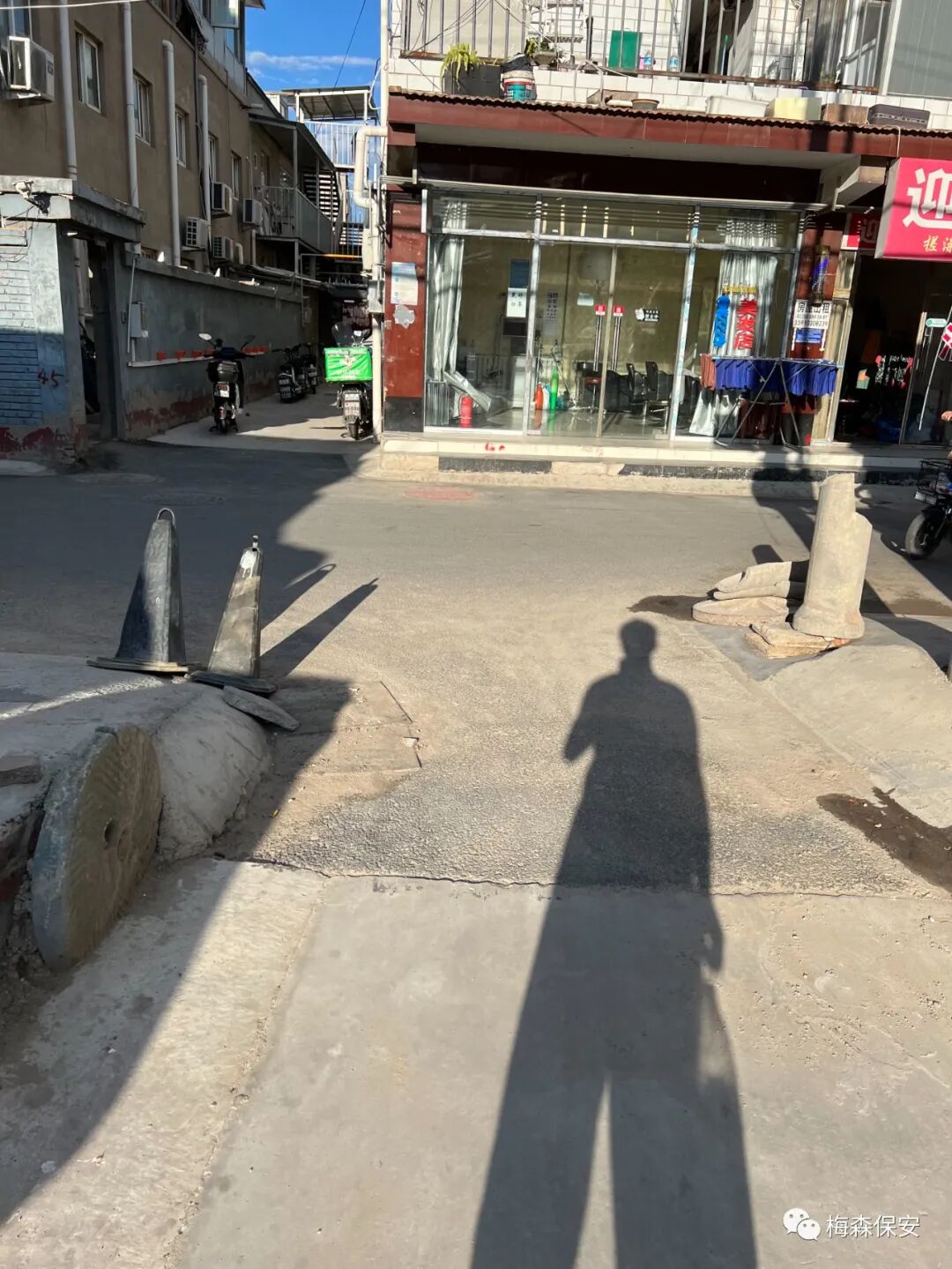
People slept rough in the entrances and passageways of certain alleys. Unlike the homeless people in the city, they were in their fifties, lean, dark, and talkative. They sat shirtless on blankets in groups of three or five, often laughing aloud. Their dialects were difficult for me to understand. Presumably, each group came from the same place, with similar pasts and trajectories to discuss.
Sometimes a van suddenly shot from a narrow lane, packed so tightly that people's faces nearly pressed against the glass. The vans kept turning onto the main road in movements resembling a drift, as impatient as a car chase. Inside, however, the atmosphere was stagnant. The faces did not move, as if each were a coordinate.
“You can't make money here,” Old Liu said. “So many people come to Majuqiao. Good people all turn crazy.”
What did he mean?
“You work one day, then no work for several days. You got to give up and sleep on the street,” Old Liu said.
I met Old Liu at the intersection of the gig market early yesterday morning. At six, heavy rain began abruptly. I went beneath the awning of a phone shop to shelter and folded my umbrella. Beside me, a man in his fifties said, “This rain ain't settlin' down.”
Following his language, I said, “Ain't settlin'.”
He burst out laughing. People at this intersection always carried a quality of wild joy or wild rage. Later, he told me his surname was Liu and that he came from a southern province.
Before we spoke, two men who resembled security guards clasped another man's arms and marched him out through the human whirlpool. The crowd jeered. I asked Old Liu what had happened. The man had been caught openly recruiting workers, he explained. “If there ain't another way, you can only add WeChat and contact later. Now it's add WeChat first, then use the function, understand. You can't go looking yourself. The bastards just want to mess with people.”
Why?
Another man in his fifties volunteered an explanation. “Same as the same.”
What did that mean?
He slowed down. “Because of August First.”
They believed recruiting had recently been prohibited because August 1, Army Day, was approaching and the authorities needed to rectify the city's appearance. A younger man with a southern accent and a face mask joined us. “They're going to do that thing. A military parade.” They probably did not know about the recent news reports on falling wages in the gig market.
“These past few days are no good,” Old Liu said. “First you count them, add their WeChat, how many people you need, pull them into two groups, then decide.”
The young man in the mask warned everyone: “This is dangerous. He sells your phone number and signal.”
“Sells what?” Old Liu asked.
The masked man's force weakened. His voice trembled inside the mask. Weakly, he explained, “He asks you to give him your ID card, and your WeChat.”
Old Liu's voice rang like a bell. “They're generally people doing jobs. They're telling you to go work! These days, if you don't sign it yourself, how could you be doing it?”
The masked young man continued moaning with great effort. “That thing, he'll call you and say, do you want to buy insurance. He sold your phone number.”
“What kind of work did you look for?” Old Liu said. “For us, say, we need however many tomorrow. We count today, and tomorrow they leave directly. That guy was grabbing people directly. Hah-hah.”
It turned out that Old Liu was a recruiter. He had already filled today's places. Clearly, he occupied the stratum above the gig workers but below everyone else at the factory. He showed me the lines of scars on his arms, recently “scraped” by a machine. “First thing, you got to work. If you don't lead them, the workers are watching you outside. Annoying as hell.” Though he was responsible only for recruiting day laborers at the intersection and passing their information to his own superior, he was quite certain the whole process worked this way: “Come to the market, add WeChat. Then all the information they need that day goes to the boss. Boss approves it, and you can go to work. Say it's your residential compound, you have to register, ah. The compound needs however many workers to enter. They need one total number. However many enter, that's it.”
Some of this was true and some false. When asked about falling day wages, he said, “You can't take those jobs paying a hundred-something. They're all two-sixty, two-seventy, more than three hundred.”
“For twelve hours?”
“No! It just depends when you finish. Whenever you finish, you get off. There's not much work. Anyway, finish it and you're automatically off.”
These words plainly required a discount. But I, too, had not told him the complete truth. He asked whether I was a student. I said yes.
As a result, I reminded him of his son, who now did “typing work on a computer” and, with side jobs, earned twenty thousand yuan a month. He advised me: “Go to Shenzhen, Guangdong, enter a factory and learn a skill. Isn't that better than here? No young people here. You go through a labor agency, but you work security day in, day out—what future is there in that? Better to learn a skill in a factory.” “If you insist on looking, take short-term factory work. But short-term, ay, you can't pay a deposit, understand. Most that ask for a deposit are scams.”
At that moment, a commotion rose again from the crowd. Two people were wrestling in the heavy rain.
“Fighting the guards?” I asked.
“No, job hunter fighting job hunter,” Old Liu said. “Can't even manage food and still fighting.”
Old Liu continued advising me. “Study hard, you understand. Put your heart into it. Honest truth, if you ain't educated, you're hurting yourself. If you're educated, whatever you do comes right out. Any information you need, one tap and it comes out.”
We parted in the heavy rain. I raised my umbrella and entered the crowd at the intersection again. Half the people carried umbrellas. The other half stood in the rain. Someone asked me, “Handsome, what you doing? Recruiting?” Someone advertised a nonexistent job: “Boss is coming. Hurry. No need to work. Just pretend you're working.” More people stood awkwardly, waiting for some indistinct thing to arrive.
I joined a labor broker's recruitment group. Its owner had plainly discovered his position in the universe. His WeChat signature read: “Live well, and, let more people live better.” Everyone in the group was looking for work. Many profile pictures featured the person's surname in large characters and a maxim. “Wang: Leap to the summit, traverse the four seas.” “Sun: The wind blows down the final leaf. How I long to bid the past farewell.” Names had disappeared.
Three jobs appeared in the group:
- Operator. Male under forty. Starting wage 20/hour, 210–220 per day.
- Restaurant hourly worker, paid daily. Bring your own black trousers and black shoes. (Health certificate required.) Carry dishes, 11 hours. Wage not stated.
- The last: “Tomorrow, charge into a sales office to buy an apartment. Daily pay 30. Men and women 30–48, must think on your feet. Ends after about 40 minutes. Near Liangxiang Stadium, Fangshan. Anyone who's viewed it before can't come.”