June Portrait
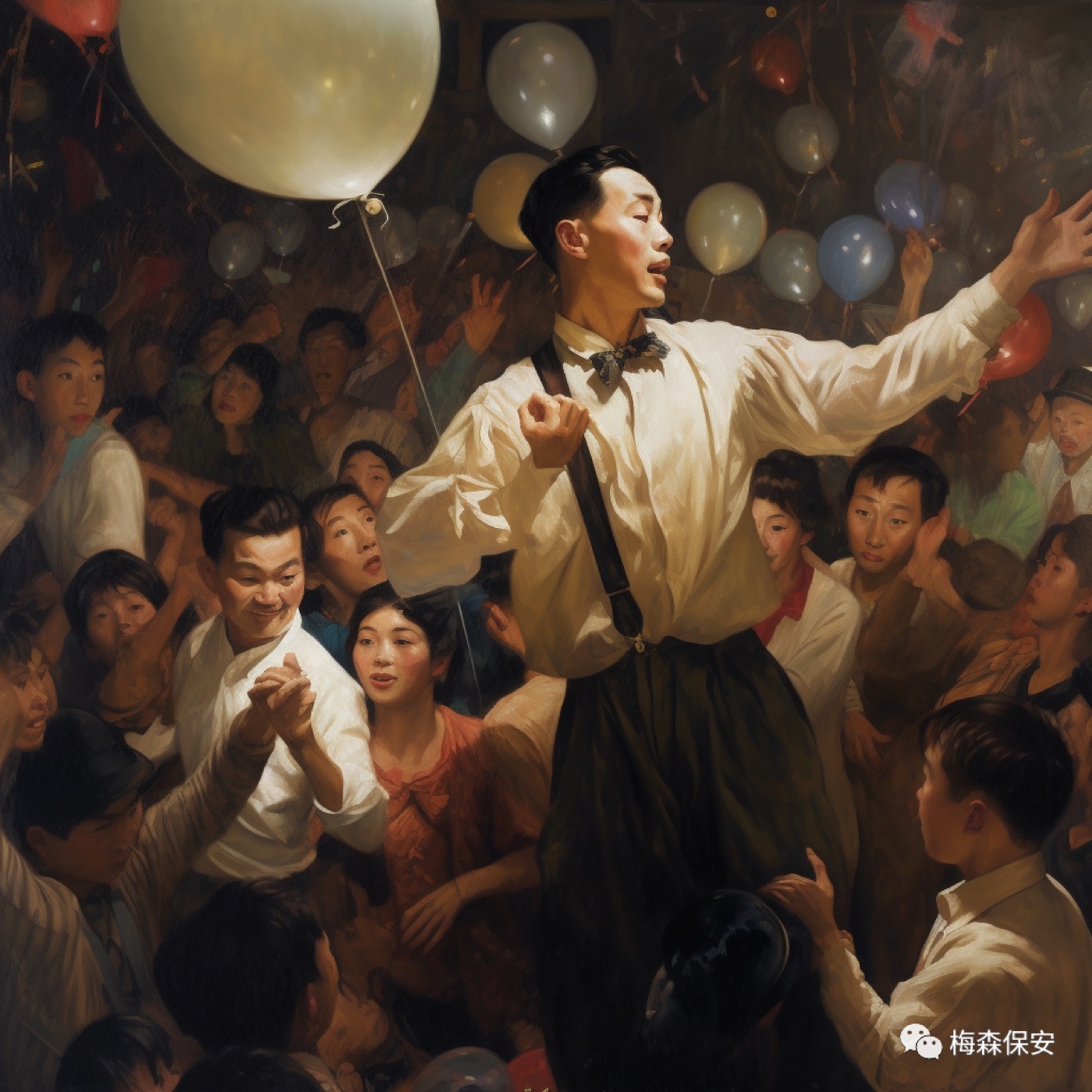
You cannot forget that man. After all, his is the most fragile face in the entire dance studio. Fragility exerts a powerful gravity.
What you cannot forget is a single moment. You and a group of friends have finished practice, all of you drenched in sweat, when he puts his head through the door from the other studio. A black backpack, too small for him, sits on his back. The fingertips of his right hand hang from the strap across his chest. His expression is aloof, even faintly sad, as if he knew beforehand that he had given offence and blamed himself for it. Jazz is still playing in the background. People ought to be happy. Ought to rise in steam, pure as their sweat.
He is very pale—fragile faces are generally associated with whiteness—but his eyebrows are rich and dark. His hair is clearly coarse, and so does not collapse. His chin has a faint blue cast. You imagine his beard grows quickly too, but that he has taken extra care; neatness over an area of that size requires patient work. He surely does not muddle through with hand soap, as you do, but uses shaving foam. You imagine that, like those intent women applying lipstick, he presses his lips together in the mirror so the blade can pass over the most stubborn, luxuriant patch of skin above them. As the blade crosses, it presses lightly against the teeth. They tremble like beasts behind a dense forest, hungry for meat. The blade erases the traces of growth. Erases the rough, the masculine, the violent. Erases the strength—that part of him which conspires to extinguish fragility.
He likes long trousers in pale colours, khaki at the darkest. His shirts, too, are usually light, and so are often soaked through in summer. And in winter? This is, after all, a dance studio two floors underground, separated from real seasons and the alternation of day and night by a great deal of reinforcing steel. But you had not begun practising in winter. You did not know this place then. The difference between your substance and reinforcing steel is smaller than the difference between yours and his.
During practice you sometimes glance at him. He is one of the best male dancers, but before the mirror he always holds something back, as though displaying his talent were a sin. Or is it pride? Pride and fragility are rarely separable. Like Antinous by the sea.
You have never spoken to him. Perhaps you never will. In fantasy, you wait for him to dance a solo. A crowd surrounds him, everyone occupied with their own affairs—talking, raising glasses, discussing things that happen above ground. Some festival is approaching. Balloons stand by the wall, filled with an inert gas that makes them slowly ascend. Now and then there is a shriek of laughter, an interruption, a boast, wine surging over the rim of a glass.
Only he is dancing. He stands in the middle, head lowered. He spins—as the teacher says—like a top, like a planet turning on its axis. Rhythm is a kind of gravity. At last, with his back foot, he lightly touches the floor. Once, twice, three times. Until gravity disappears.