Downstairs
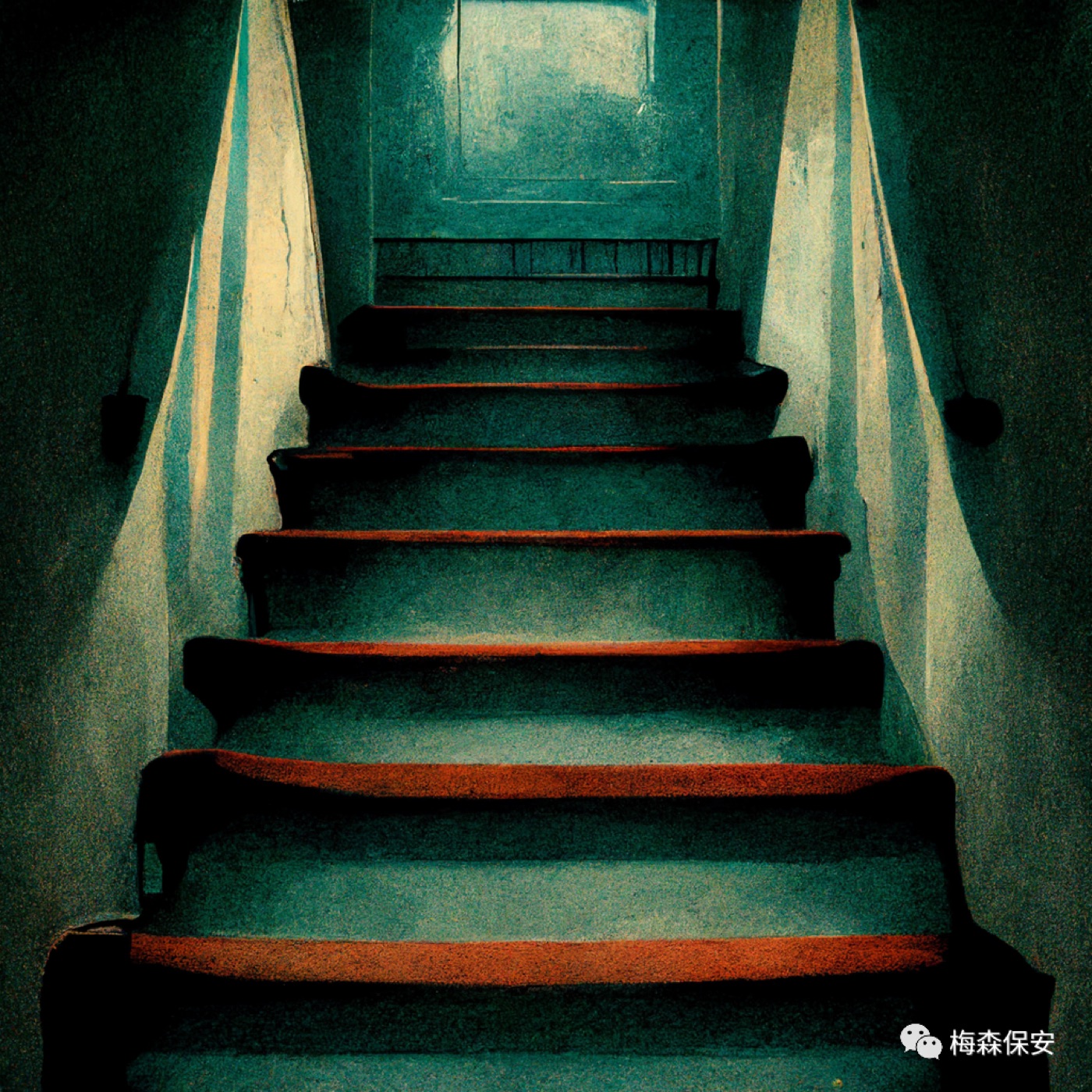
She has a child. The child is waiting for her by the door. They are preparing to go downstairs. The child wants to play in the sand inside their residential compound.
She is in the bedroom. A bedroom containing only her, the mirror, and her in the mirror. She is cultivating a decision.
She has not decided yet because the decision is difficult. Whatever she chooses will cause harm, preserve one thing at the expense of another. But weighing the options is not her principal concern. What makes her hesitate is how to announce the decision to the child. She is cultivating an expression and a tone of voice. Naturally, there can be no hesitation. It must be unequivocal, as though the decision did not come from her own will, as though a storm had rendered her powerless.
She must make the decision quickly and announce it quickly. Otherwise the fracture will widen over time, and indecision will bring consequences harder to mend than a wrong decision or a broken promise. This revelation occurs as she looks into the mirror. At the same time she thinks about ageing, supplies, marriage, supplies gone rotten.
A few minutes ago she told the child she needed to get ready. She did not lie.

The child has put on his hat. He stands at the door, one arm reaching back over his shoulder to hold the handle. When she appears, he will open it and sprint straight to the lift, pretending her appearance already implied permission—he vaguely senses that her words will betray him. This way, by the time he enters the lift, even if she shouts an order to the contrary, it will be too late to change her mind.
Where the brim of the child's hat meets his forehead, two layers of cling film have been wrapped. This is her invention, intended to shut out the virus. She has also put a mask, gloves, and scarf on him, until no skin can breathe. The child holds his breath through his nose and endures the process, trying not to anger her. One hand stays on the door handle; the other grips his little shovel. He stands beside his plastic pushcart. He even stands to attention, signalling that he is ready.
But she hesitated.
Mum needs to get ready, she said.
The child wants to play in the compound's sand because he has not been outside for two months. Every day he thinks about the sandpit, two square metres wedged between the elderly exercise equipment and a flower bed. The sandpit has no bottom. He has dug fresh dog shit from its shallows and aged dog shit from its depths. Day and night, he longs for the sandpit. Every grain becomes enormous. One day it is a sandpit. One day a dune. One day a desert.

She has a decision not yet made whose consequences she has already begun to manage. She will tell the child they cannot go downstairs today. Just as they could not go down yesterday or the day before. She will promise him tomorrow, as she promised yesterday and the day before.
It is not that the repeated betrayals do not worry her. So she lays out the facts for herself. Strictly speaking, she has not deceived the child. After all, they go downstairs every day for PCR testing, sometimes twice a day. She also recalls the many videos she has watched on WeChat: children separated from their parents because of the virus, sent to rural health centres, several children to a bed, the sound of wailing behind every image. She cannot accept that one of them might be her child. She therefore feels fortunate, and feels that a considerable part of her good fortune comes from her caution. Perhaps betrayal is an act of kindness towards the child. What child has never been hurt?
But three days ago, from the window, she saw with her own eyes a mother take her daughter to the sandpit. This is why she still hesitates, still entertains hope. She saw them dig in the sand as if no one else existed, then walk away.
That afternoon, with a calm expression and tone, she mentioned in passing to the child that he could have his little shovel ready tomorrow and she would take him downstairs. She said it as lightly as a drifting cloud, so the child would not expect too much. But the child did not miss the promise. He continued asking for details, confirming the time. The less certain he was, the more he asked.
That night, the man told her she had seen it wrong. Being shut inside for too long could make anyone hallucinate, he said, especially someone with sensitive nerves. What she saw at that moment, he analysed, was a projection of her inner longing. She must have seen herself and the child doing something entirely impossible under present conditions.
She lay beside the man and answered, mm, mm. The man continued his analysis. The old woman in red from the next building went downstairs for a walk at four in the morning and the neighbours saw her perfectly clearly, exposed her in the building's WeChat group. Could what you saw possibly have escaped everyone's notice?
She continued to answer, mm, mm, because the man worked hard and did not like being interrupted.
I won't stop the two of you, the man said, but the lockdown could be lifted at any moment. Is there any need to rush these one or two days?
She murmured, mm, mm.
The man is in the living room. A living room containing only him, the sofa he monopolises, and the child standing to attention by the door. His body stretches from one end of the sofa to the other like a horizontal microphone broadcasting the latest news.
Consensus has been reached at the top: today and tomorrow will bring the decisive battle. Three zones governed separately; by tomorrow the virus will basically be eliminated at the societal level. The subdistrict's latest policy: three PCR tests and two antigen tests over the next three days; all negative, lockdown lifted. Inflation in the United States is already impossible to contain. Zelensky is panicking. Russia is about to play its ultimate trump card.
The man has an enormous enthusiasm for macro affairs.
She is in the bedroom. In front of the mirror. For one moment, even she believes that once her make-up is done, she will go downstairs with the child. There is nothing difficult about it. She can pretend not to know the rules. No one will punish a first offence too severely. When they return, she will wash the child in hotter water than usual, until his skin is red and every virus travelling with him has been completely destroyed.
She returned to the bedroom holding on to this hope, until she changed her mind—or, one might say, recovered an adult's composure.
Actually—this is how she begins the sentence—not going downstairs is not so unbearable. They have a home. They have food every night. They are better off than most people. What else is there to covet? Why provoke what one already possesses?
She feels with certainty that actually, she prefers staying home.
The child is at the door, one hand holding the handle. Everyone hopes he will forget as soon as possible.