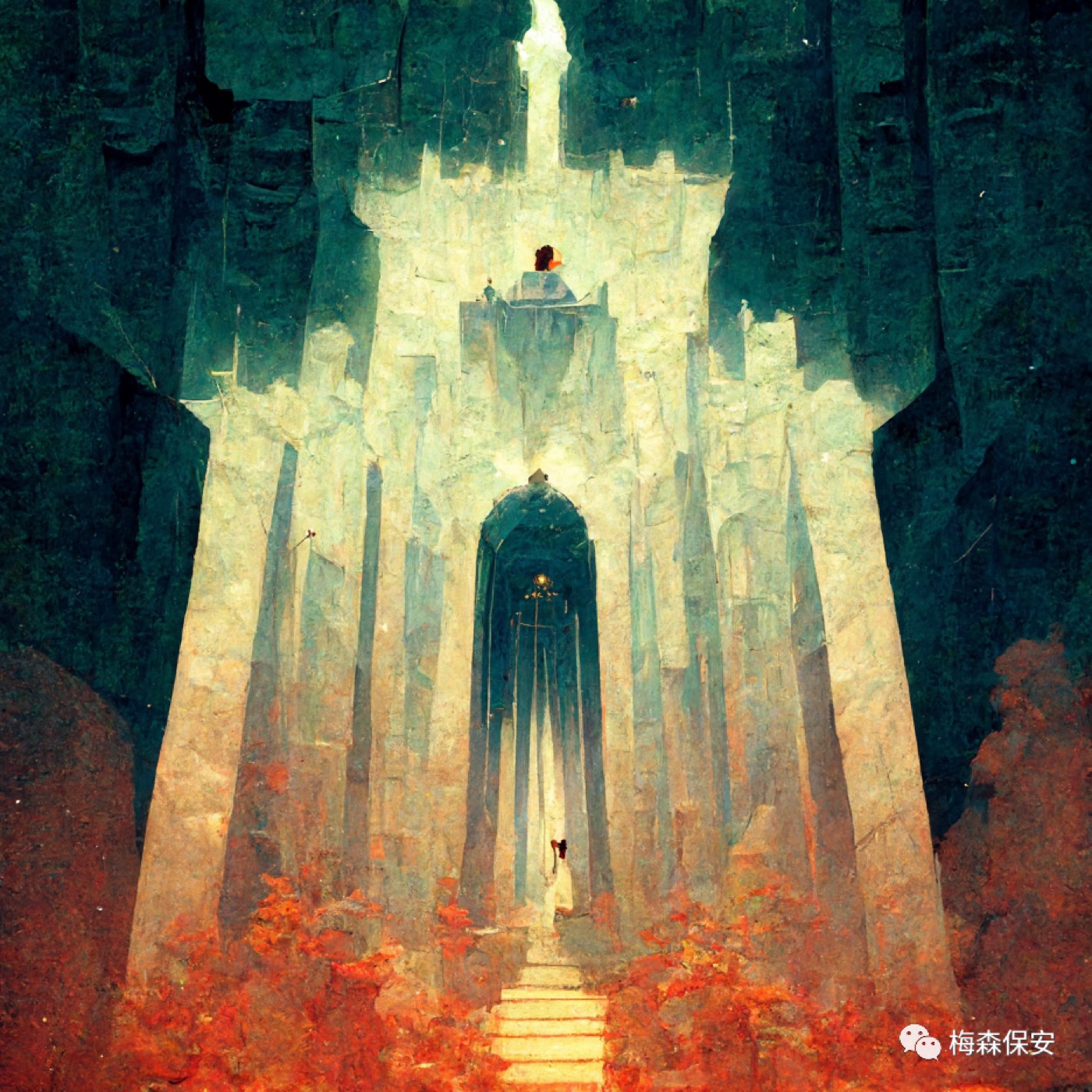
One Day in the Galaxy
Human Web
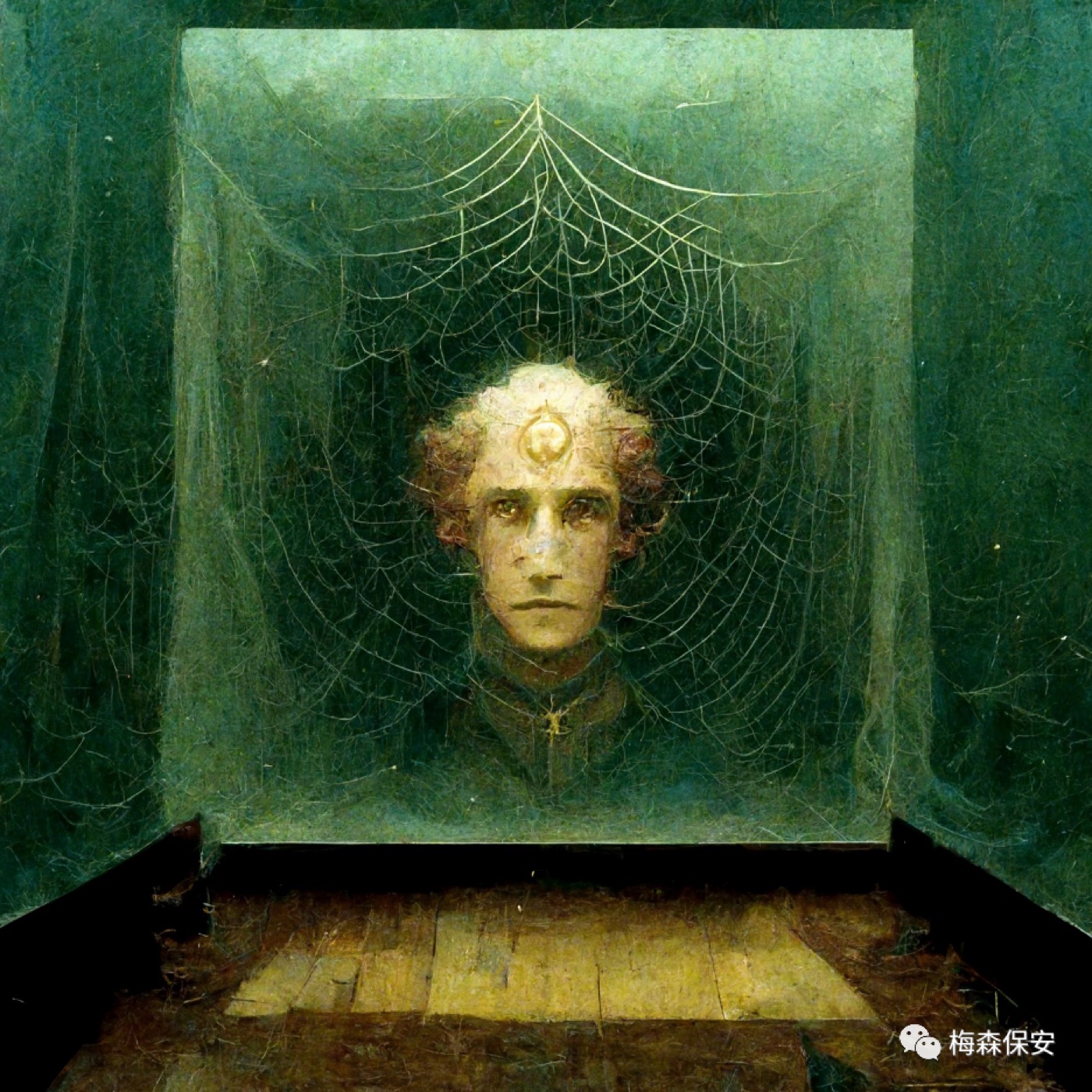
At first he did not think of it as a web. He called it his body, just as ancient humans had called their limbs their bodies. A defining feature of the Galactic Age was that words no longer worked. People believed civilization had evolved so quickly that its vocabulary could not keep pace. Take web. Did it refer to the fine thread secreted by glands in the abdomen of a long-extinct eight-legged arthropod? The communications device implanted in the brain, without which no one could live? The structure of a neuron? Or the external feature now found beneath every human head—the condition of humanity in the Galactic Age?
Of course, he still had the habit of using language, though even he had to admit that the age of language had passed. Like a magician in the age of technology, or a writer in the age of images, he used language not from any urge to create a sensation or defend a value, but out of nostalgia. Or perhaps he was not yet ready to surrender his throat and mouth, though from an evolutionary point of view both were now disposable organs. In the Galactic Age, the Tower of Babel was no longer a problem. Humanity had found its greatest common denominator: neural stimulation.
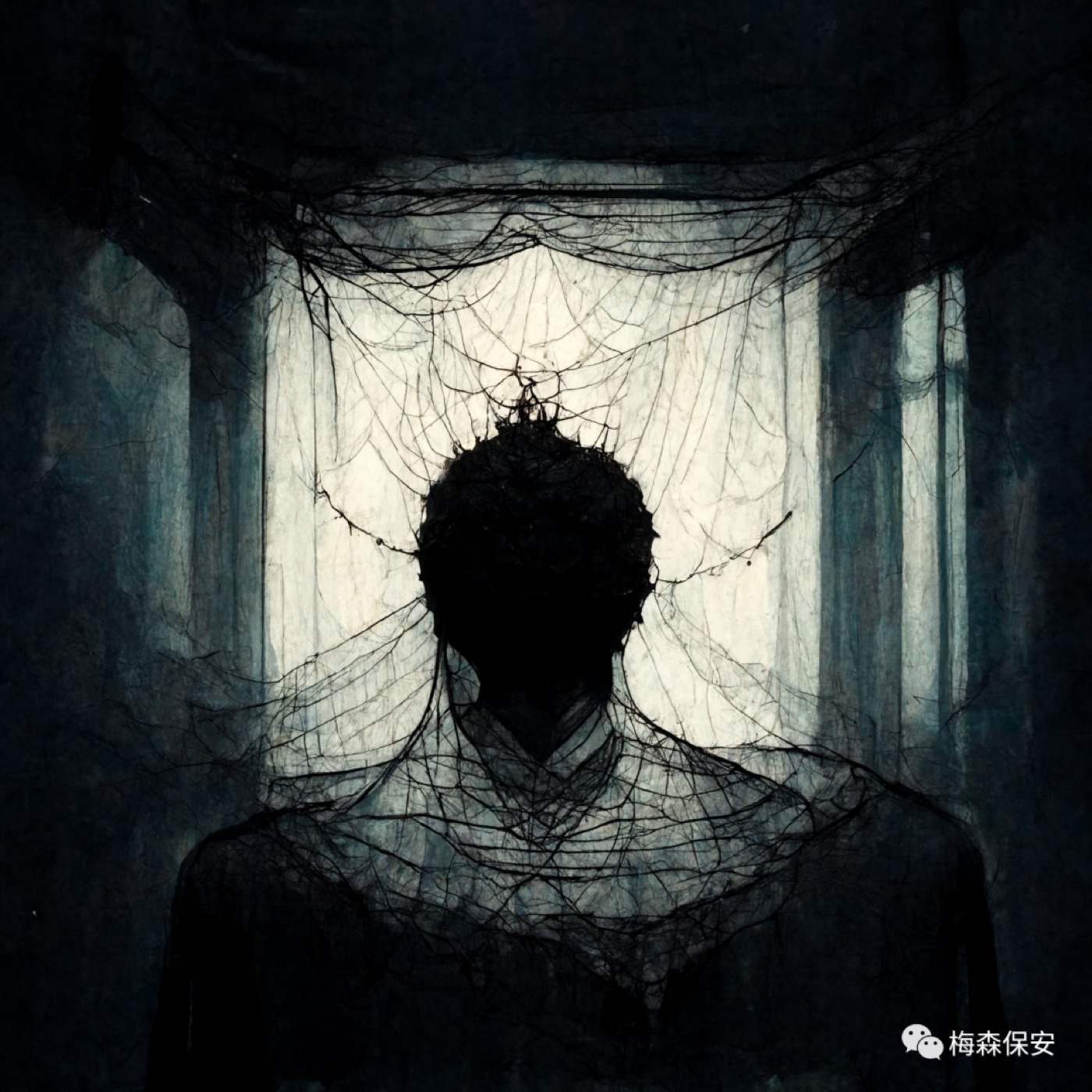
By imitating the miraculous creation of that long-extinct eight-legged arthropod, humans had evolved their bodies into the most efficient arrangement possible: a vast neural web suspended in each private cell. Electrical signals transmitted from the imperial core made the whole universe know the same warmth and cold. The technology had been refined and deployed with such exquisite complexity that spoken language had become a burden, a luxury of the rich, a performance at court. Now, through electrical stimulation, receptors received images, visions, hallucinations, memories, and history at the lowest possible expenditure of energy. Their immediate, simple, and universal responses became the consensus of humanity—the foundation of democracy in the Galactic Empire.
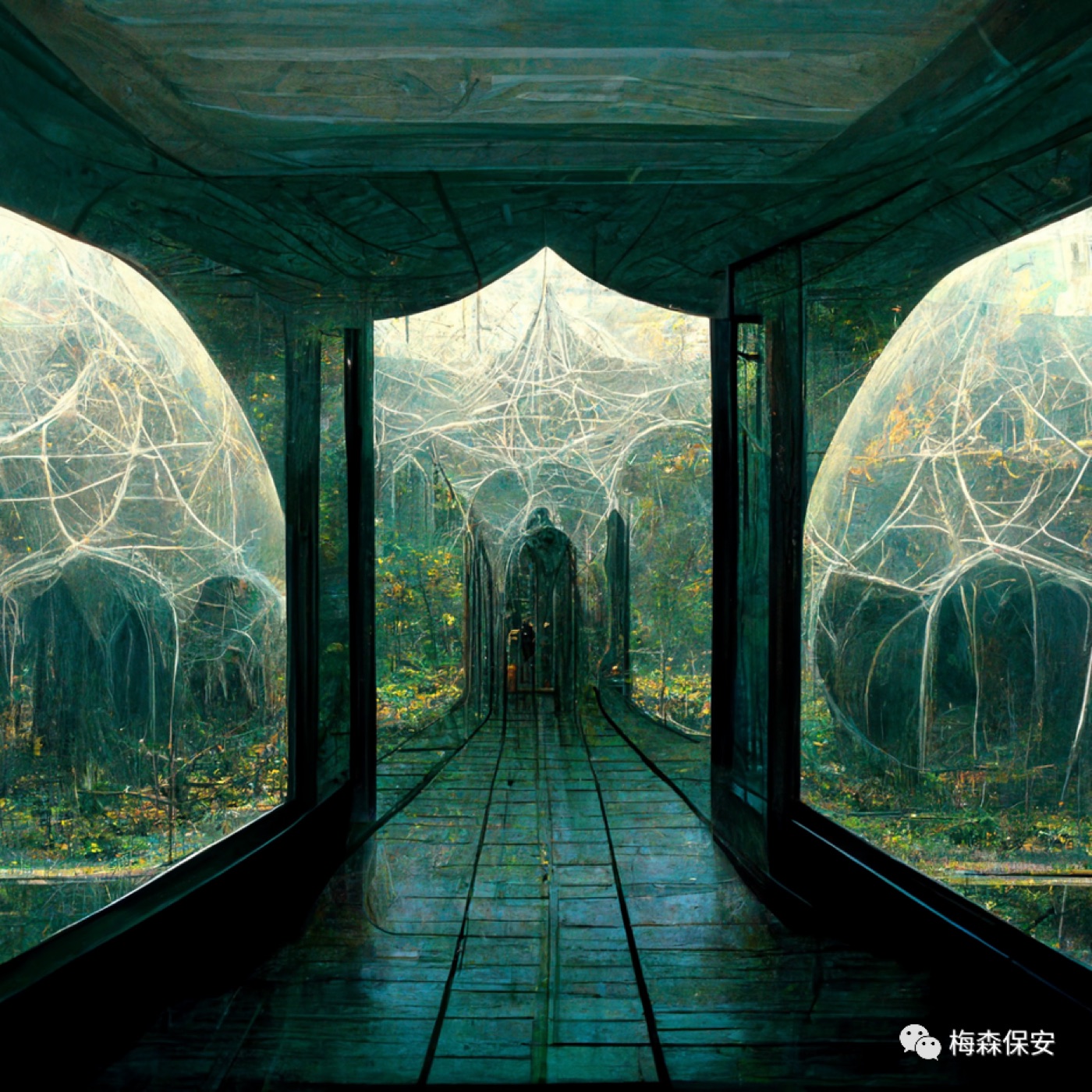
One piece of history he had learned through electrical stimulation concerned the origins of his web-shaped body. Legend held that, at the dawn of interstellar travel, humanity encountered a rare stellar storm. Like a virus, it ate into people's limbs and torsos. Many died as their organs withered. The cleverest and most authoritative minds began to ask: if human technology had already made it possible to roam among planets, why could humanity not escape the bondage of flesh? Why not choose to evolve into a more efficient form, as primitive humans had once risen onto two feet on the grasslands?
Yet humans were so enamored of sensation that they could not relinquish the center of the senses: the head. The new bodily form was born aboard orderly spacecraft. The first to adopt it were brave sailors, their body-webs echoing the ancient sails of the sea. Next came the laborer-consumers who sold their attention—for whom rolling eyeballs were all that was required—and migrants who could not afford first-class passage and willingly allowed themselves to be made into the smallest possible webs, packed into cargo holds. Now it was the universal form of life. Only a few high-ranking bureaucrats, and the mysterious Galactic Emperor, continued to bear the burden of flesh on behalf of all creation. Such was the price of power.
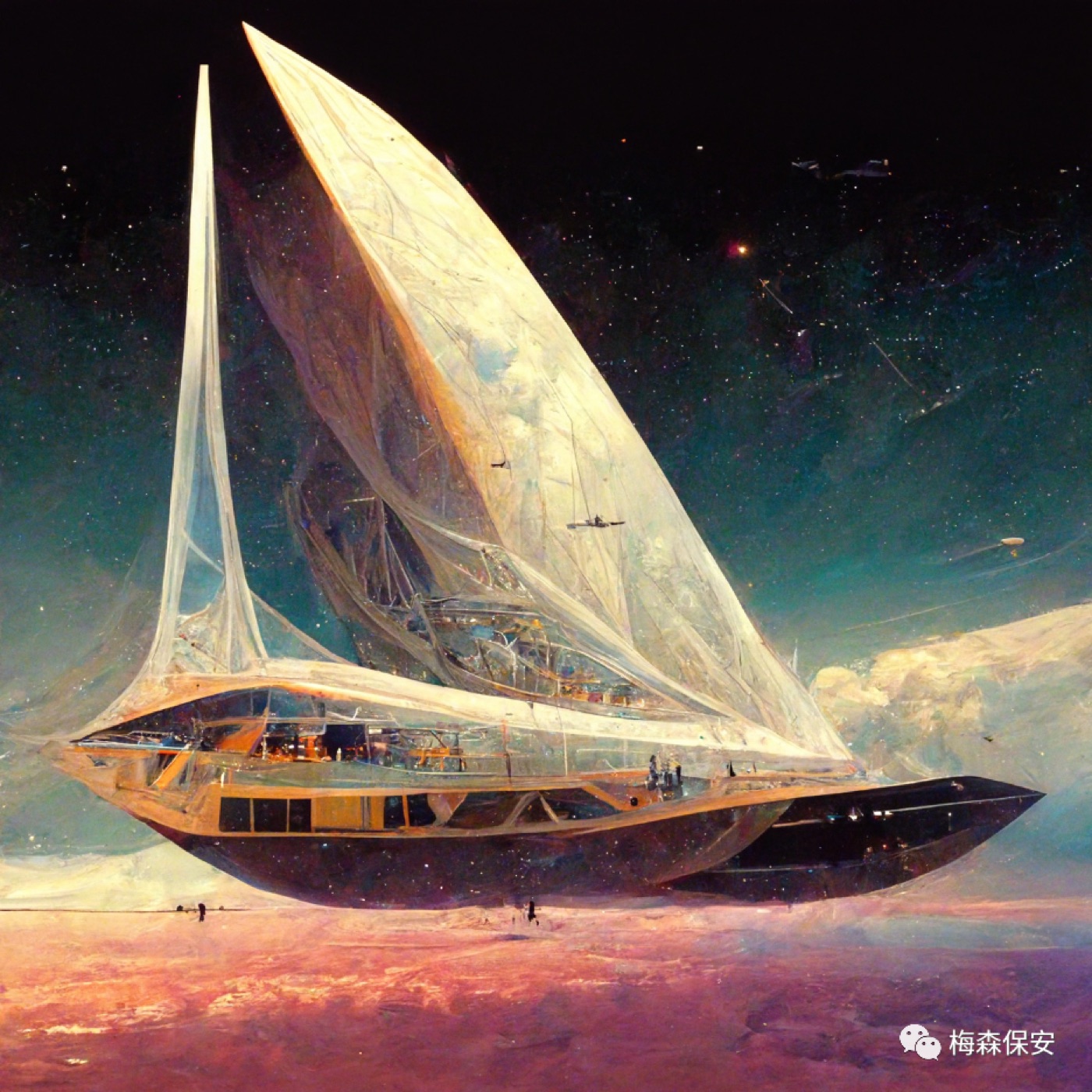
Let us marvel at the human capacity for adaptation. Marvel at how he explained what he had been given, and learned to be content with it. He hung in a tiny cell like a mural, one among millions upon millions like him on this planet, without sex, without name. Beyond his hallucinations, he could see no more than three feet into the world. In his defense, he said: humanity had evolved a thousand times over, yet the human core remained unchanged. Humans were finite. Their time was finite, their sphere of action finite. How could anyone dream of breaking that premise of finitude with a body? Why try, when in hallucination you could accomplish everything, could put freedom into practice? Did you long to be like those arrogant captains at the dawn of interstellar travel, staring blankly into stellar storms they did not understand until the storms consumed them and the skins of their limbs rotted like tumbling, twitching insects?
And yet, on this day, the unending electrical signals from the imperial core ceased. It was daylight in his hemisphere. He opened his eyes and discovered that his head had been attached to a web all along. Or perhaps it was only another hallucination, but he glimpsed a nerve in the web begin suddenly to tremble, as if summoned by ancient blood.
Bureau Philosopher
Near dusk, he learned of the accident at the imperial core. At midnight, a secret dispatch arrived from the court. The dispatch classified the incident as a rebellion. The core could not fail on its own. Someone was trying to stir up a storm.
He was a high-ranking official. He lived in the fief reserved for high-ranking officials. Confined within a complete body, he retained the ancient habits of walking and speaking. From childhood he had been told that living in the bodily manner of ancient humanity was not a privilege but a warning. Once the body became a web, people tended to forget the pain and limits of flesh, the boundary between desire and reality. The people could forget. The servants of the people could not. Humans of his class had to bear the burden of the body for the multitudes submerged in stimulation. He believed sincerely in this mission.
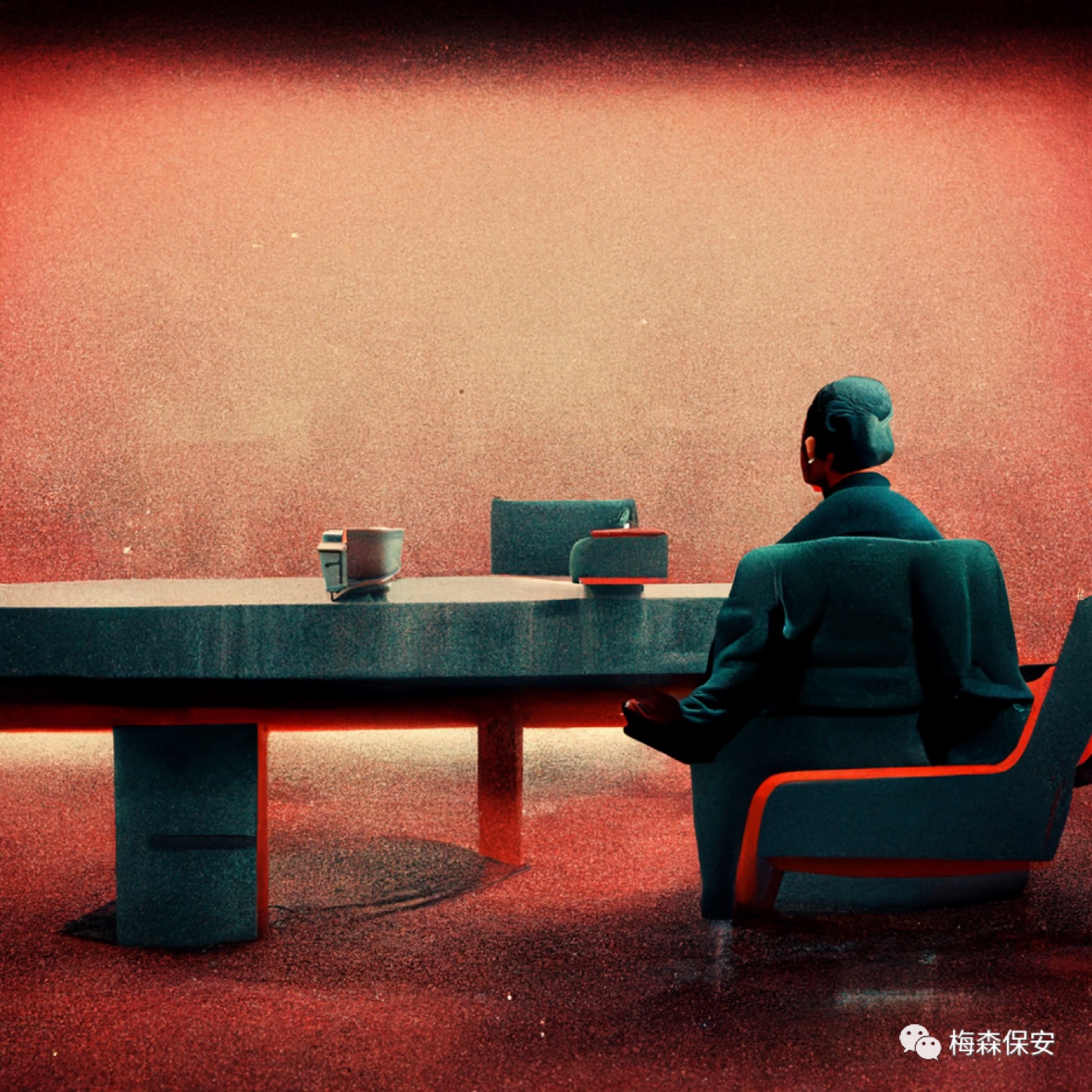
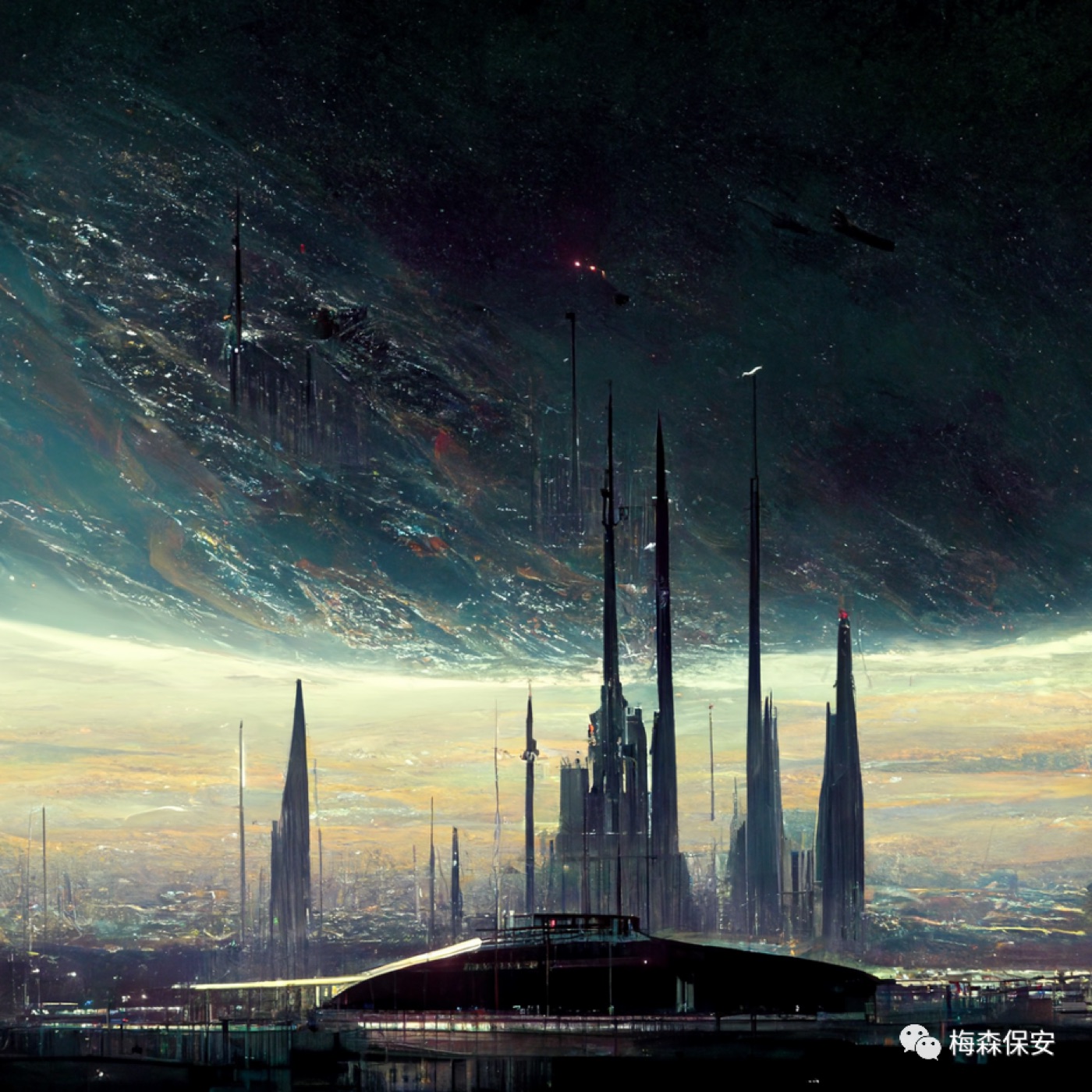
Given his age and the speed of his ascent, a splendid future still lay before him. Had he not been among the Empire's most trusted senior officials, the secret dispatch would never have reached his hands. His greatest achievement to date was the consummate application of bureaucratic philosophy to management and rule. Like the endlessly changing electrical signals from the imperial core, this science secured enduring order throughout the Galactic Empire by modulating itself at every level. The only difference was that bureaucratic philosophy was a human science.
Bureaucratic philosophy was the preeminent discipline of the Galactic Age. In the language of ancient humanity, its name appeared to suggest a rather commonplace subject. Its inquiry was, in fact, much deeper. The people of the Galactic Age had mastered interstellar navigation and the reconstruction of the body, yet still knew nothing of the mind. Since Aristotle, humans had tried to grasp the secret operations of the individual mind, always without success. Bureaucratic philosophy challenged the premise of that entire endeavor: if the individual mind was as indeterminate as a quantum, why not turn our attention to the collective mind and suppose that only the latter lay within the reach of human intelligence?
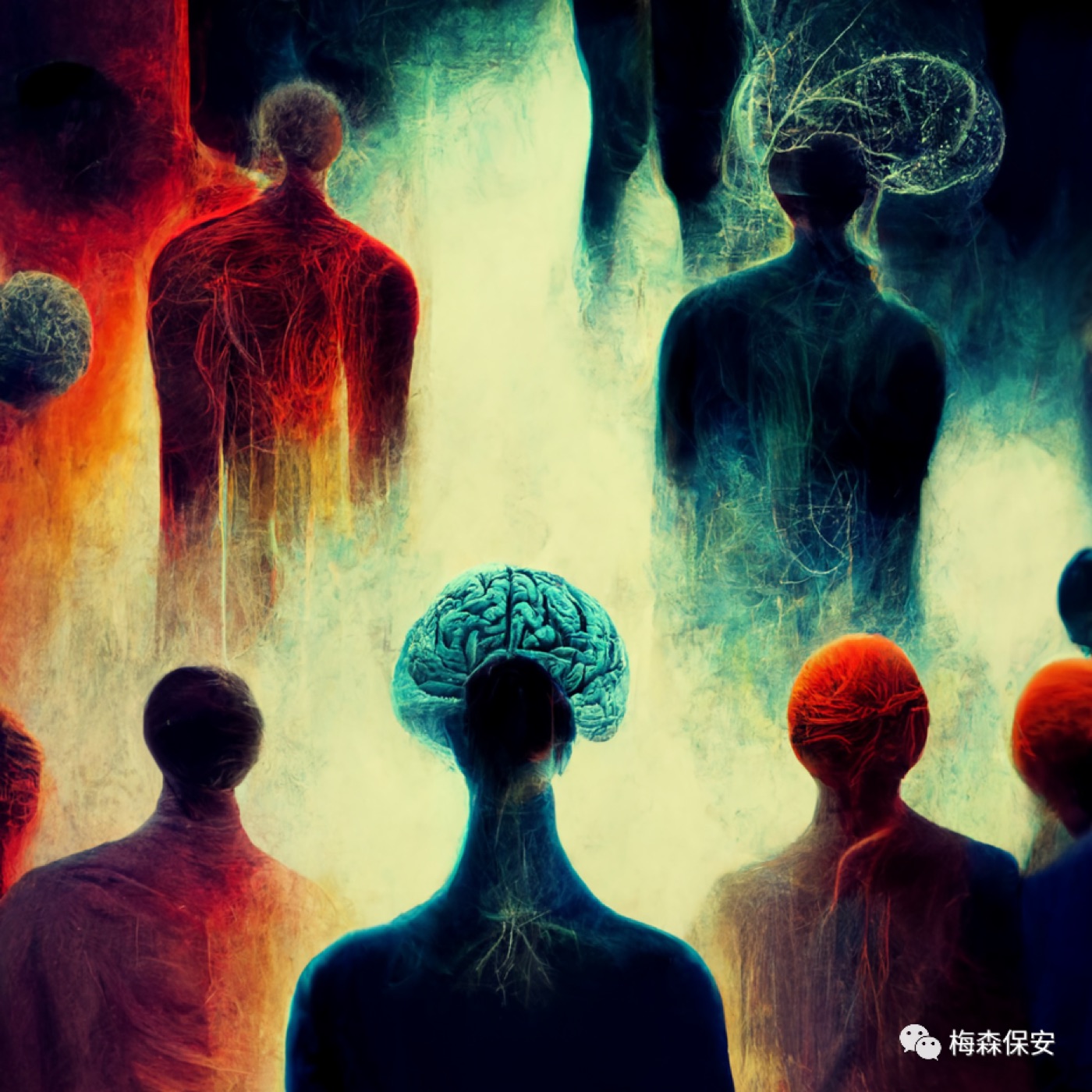
The attempt proved astonishingly effective. With the aid of statistics, cybernetics, biology, and cognitive science, a new discipline was born. Bureaucratic philosophy placed every statistically meaningful group within a framework of bureaucratic politics. Coupled with the self-learning of its own theories, it achieved a terrifying precision. It could predict a group's patterns of behavior, the medium- and long-term effects of history and environment upon it, even offset the risks of force majeure through strategies of rule. Put simply, bureaucratic philosophy eliminated uncertainty at the macroscopic level. The movements of a group became a formula that humans could grasp, stabilized in a dynamic equilibrium. All the wavering free wills of individuals now had a fixed sum.
He knew perfectly well that, while his practical work had helped bureaucratic philosophy flourish, its rise ultimately owed everything to the Emperor's support. No living person had ever seen the true face of this mysterious emperor. Some guessed he had reigned for several thousand years. It was rumored that he had successfully broken the bounds of humanity and joined the ranks of the gods, arranging human life and the human future like a secret hand moving through the cosmos. Other rumors claimed he was an apparition—really a machine capable of infinite self-learning, guiding human evolution through rules and mechanisms as if reproducing the accident by which life itself arose.
Within his own field, gossip suggested that the Emperor had invented bureaucratic philosophy thousands of years ago. It was further said that the predictions of bureaucratic philosophy had inspired the Emperor to design the human web, a new structure of life that brought imperial rule ever closer to perfection. He had no way to verify this account. But he had undeniably received support from the court. And he knew, above all, that several thousand years of enduring order had not come naturally. Dangerous elements lurked within the Empire: digital nomads who refused to be webbed, extraterrestrial life-forms that rejected reconstruction and wandered ceaselessly along the imperial frontier, even his smiling, knife-concealing colleagues. They were the factors that made the curves on the charts of bureaucratic philosophy tremble ever so slightly.
But the strange thing about today was that bureaucratic philosophy had wholly failed to predict the interruption. Perhaps the court spoke with such certainty precisely because it was panicking. What mattered most to him was the credibility of the theory itself. He was a rigorous man. A single error was enough to throw all his earlier models into grave doubt. And then there was another thought: the loss of electrical signals had put a hundred billion lives in mortal danger. That, too, could hardly be taken lightly.
Old Baby Emperor
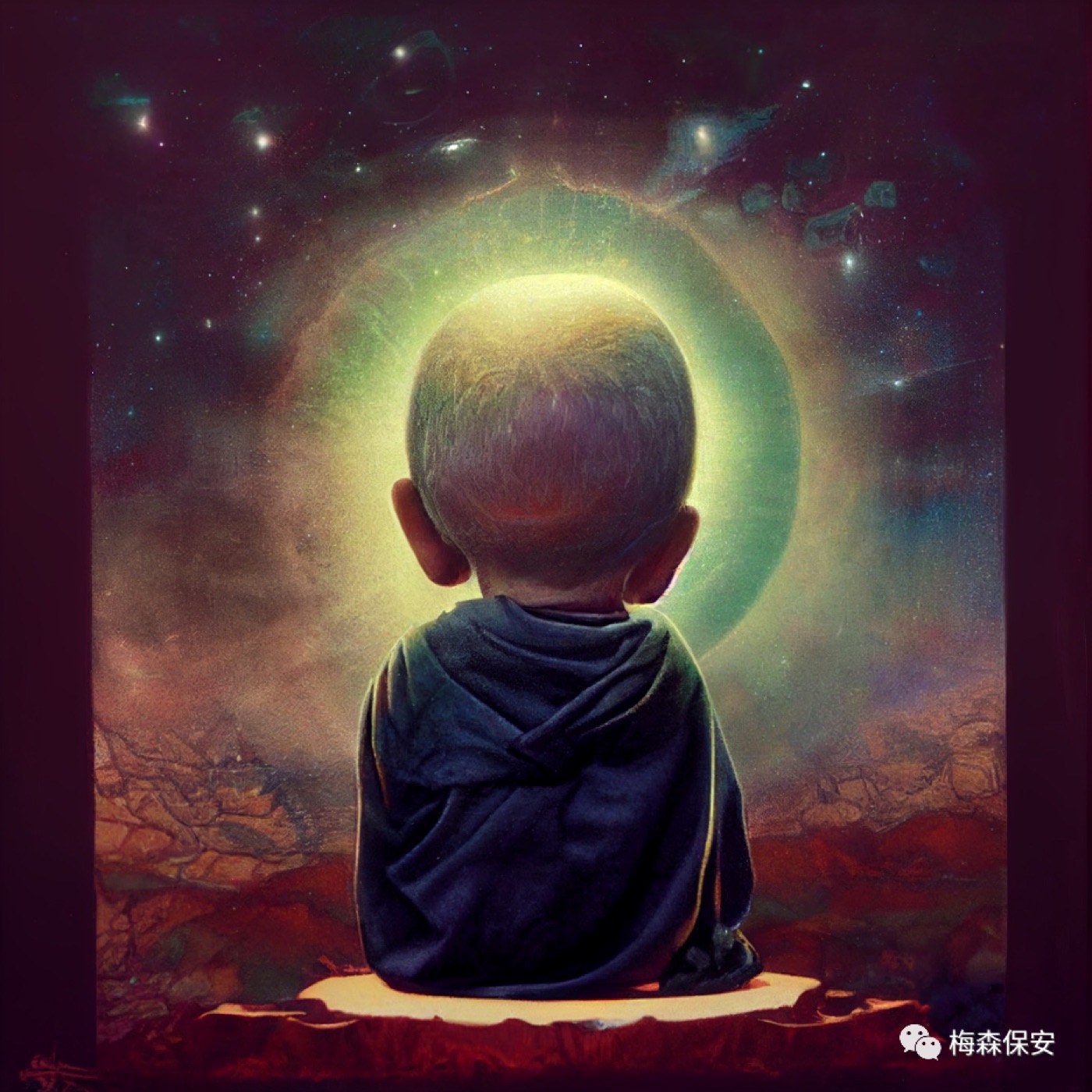
He had many names. Illustrious surnames. Glories of his own invention. But later generations usually called him the Old Baby Emperor. The few who had seen him said he possessed the body of a child and the old, melancholy face of a man. He often paced, but never opened his eyes.
For many years, he had fashioned himself into a god. At the time of the accident, he had ruled an empire spanning several galaxies for decades. Through a series of memory-engineering projects, he had succeeded in instilling an impression in his subjects: that he had reigned for thousands of years, that he had achieved immortality. In truth, his face aged every day. Toward the end of his reign, he allowed no one near him. He feared the plots of others. He also feared every mirror-like object, including the eyeballs of his ministers. He was afraid of seeing his reflection and being reminded that he was not a god.
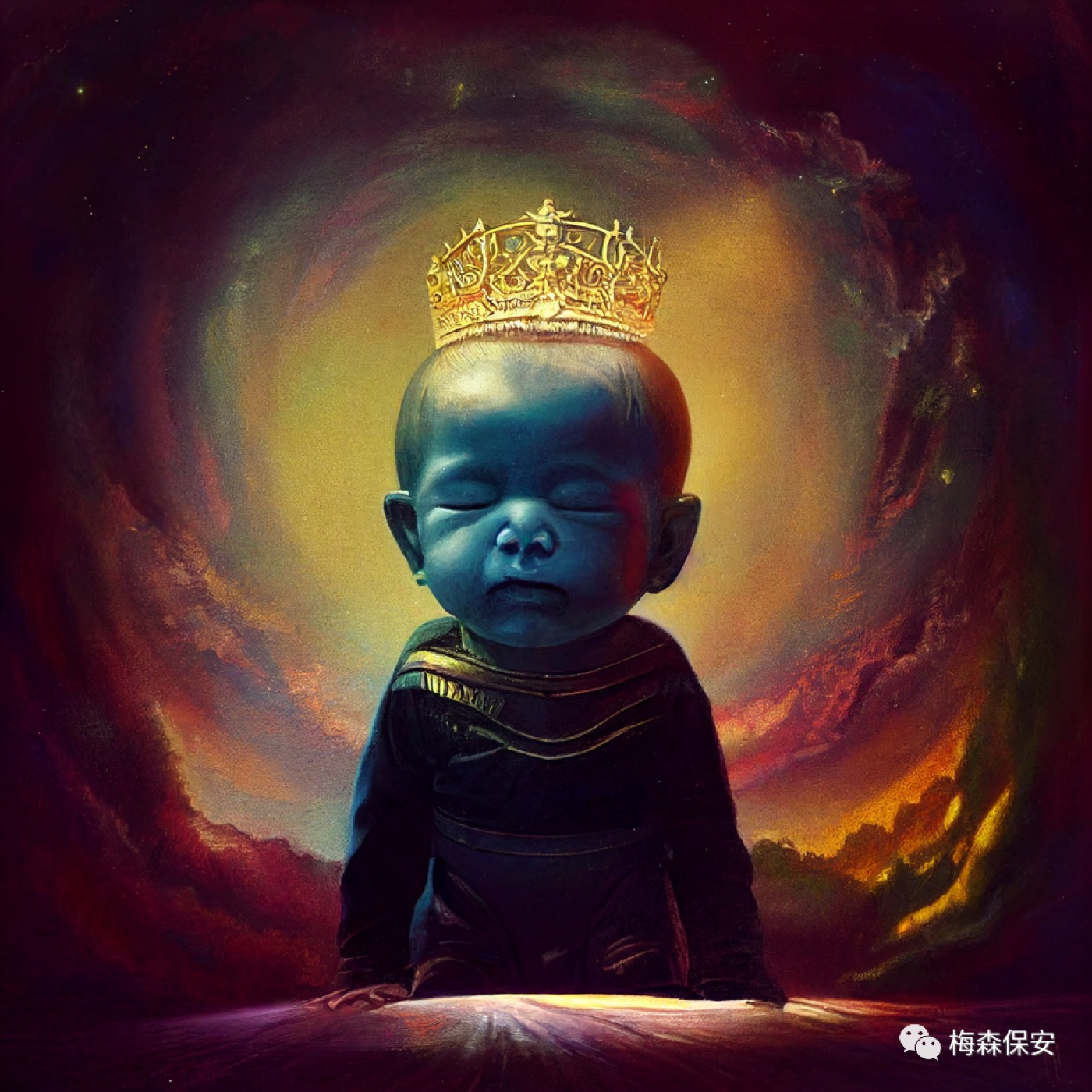
A few hours before the accident—which later generations would call the beginning of the Empire's decline—the Emperor sat in his vast and empty palace. There was no one around him. He was weighing a decision. The decision came about by chance, but its story must begin with his childhood.
He had been born into an age when chaos had only just ended and everything waited to be rebuilt. His mother—his nominal mother—was a woman of immense power who had just returned to the center of rule. People honored her as the Empress. Nothing could now be established about his birth mother. It was believed that the Empress killed the birth mother of every crown prince. The competition among the princes was no less fierce. In the end, either because his faction's counselors were sufficiently powerful or because he behaved with sufficient docility before the Empress, the future Emperor became the only crown prince left alive. The Empress treated him as her own. She had no children.
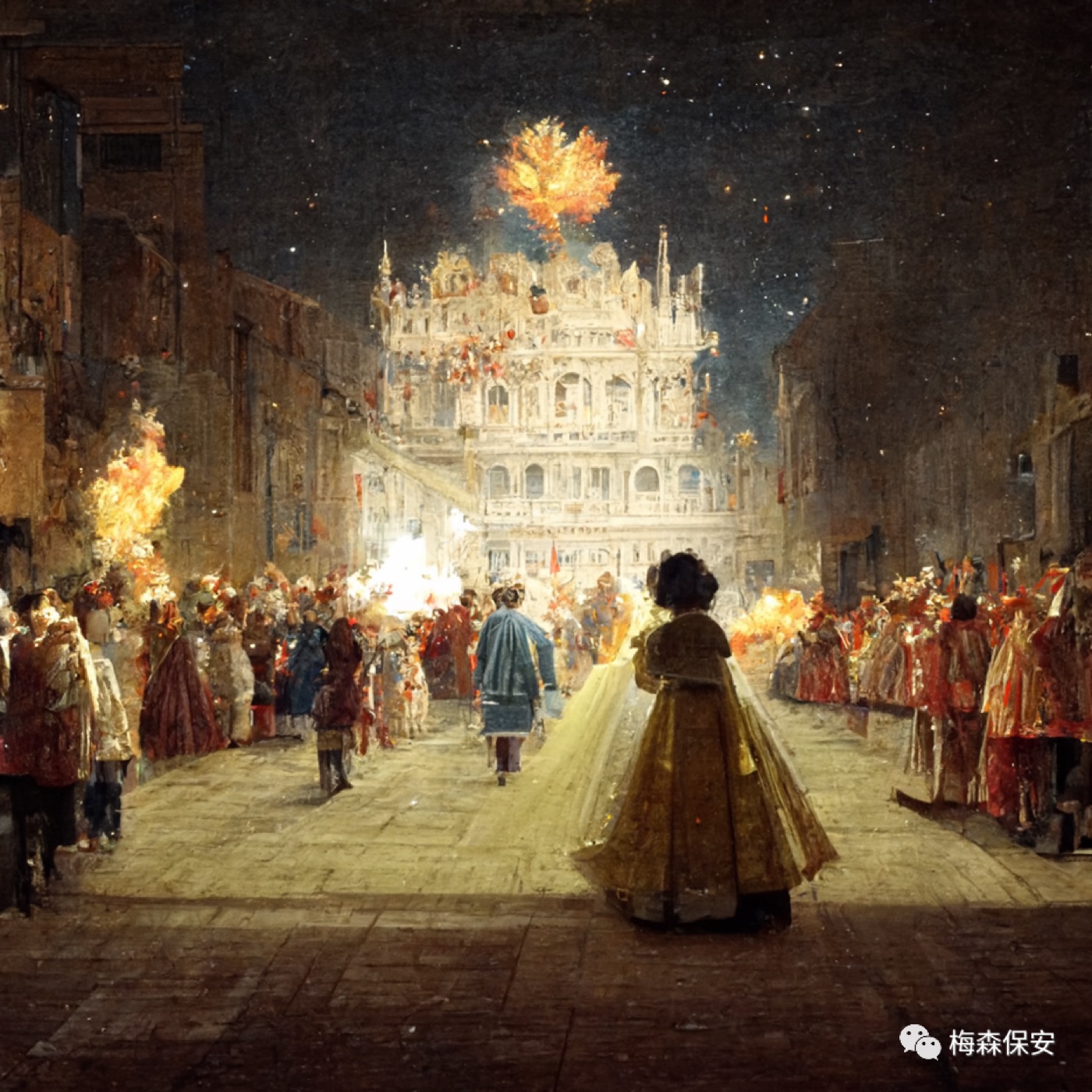
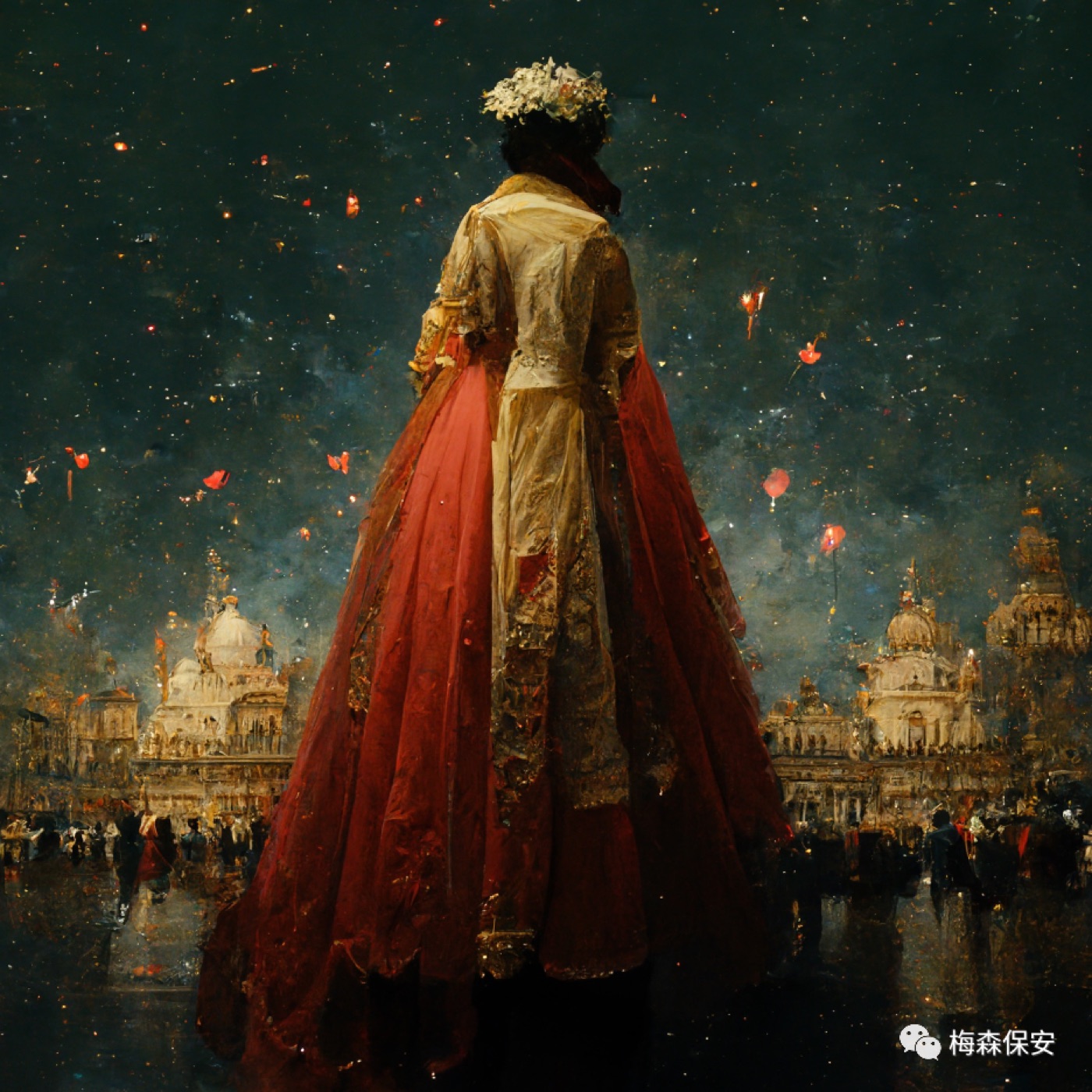
At every grand ceremony, he followed behind her. She carried bouquets. Her long hair was elegant and wild. He remembered fireworks along the road, torches, spectators loose with joy. All her subjects loved her. The long age of chaos had ended, and people looked forward to a new era. He remembered the composure, tempered by war, with which she passed through those hopeful human beings. He believed she loved him, loved him sincerely. It might have begun as a performance born of her hunger for power, but some part of it must have been real. In his room, she would tell him again and again that she loved him and that he would become a great emperor.
During an interstellar voyage, their fleet was ambushed. The Empress's forces repelled the attack, but the little prince was accidentally exposed to radiation and fell ill. Years of treatment brought no improvement. The imperial physicians said his body would stop growing; only his face would continue to age. His body would require a special environment, and he would never be able to travel again. The little prince looked up, longing for the Empress to say something. She said nothing.
Later, she built him a room.
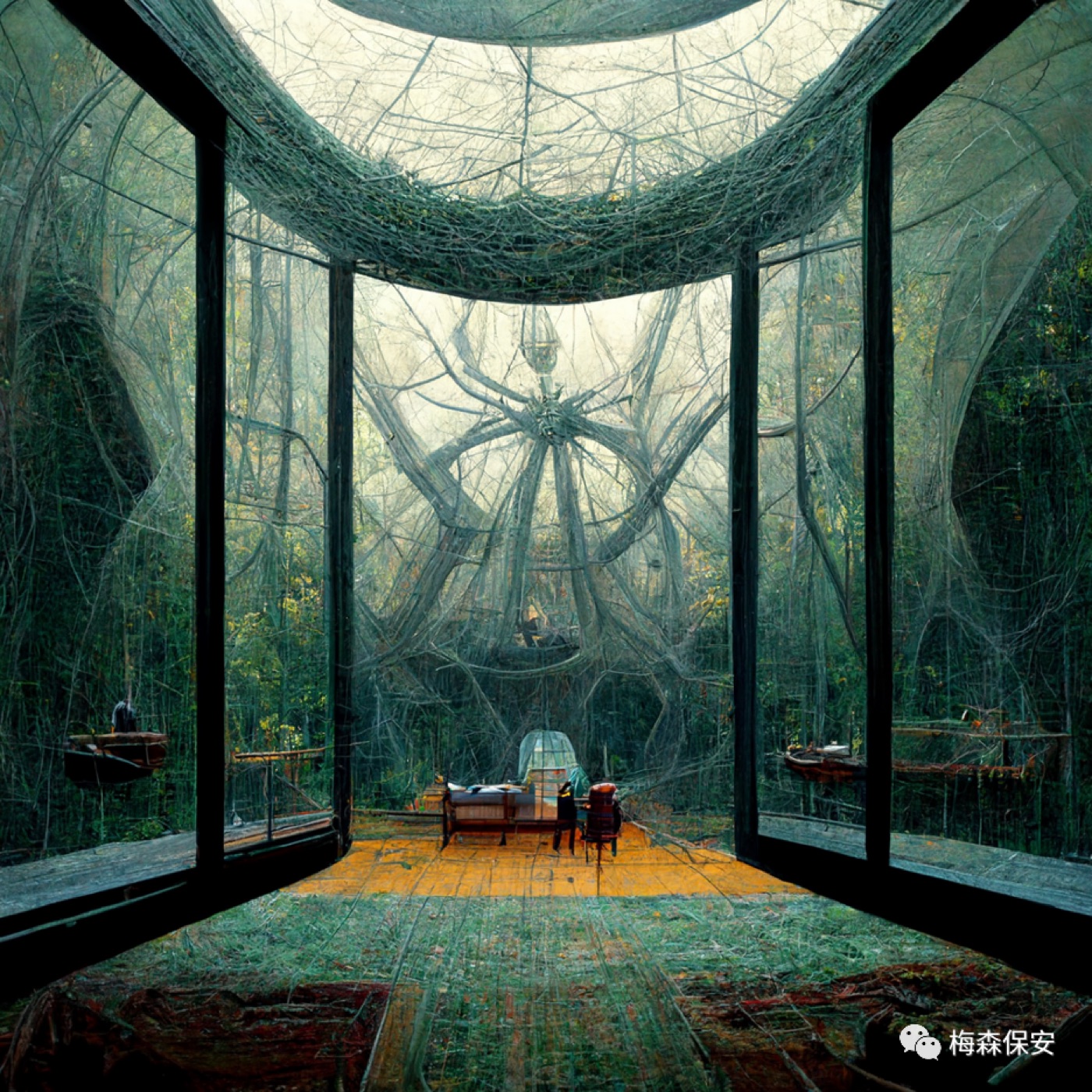
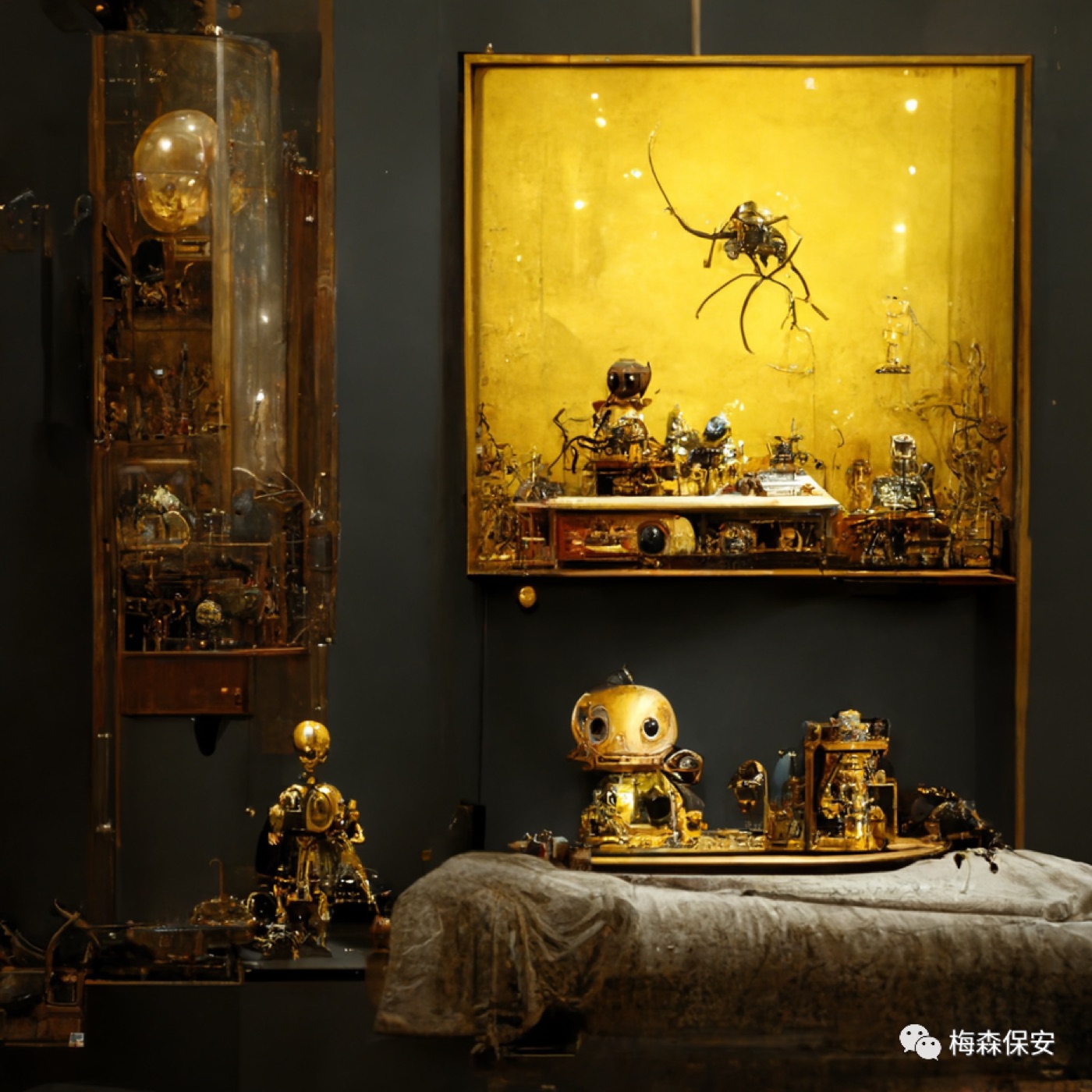
Inside stood all manner of ancient toys and machines. She also gave him a rare creature as a companion: a gigantic spider. It had long been extinct on their home planet.
She still visited him from time to time. With every visit she had grown older, while his body remained that of a baby. He tried to ask about the state of the Empire like an adult, but the voice that came out was a child's. The Empress, meanwhile, seemed to have fixed him forever in childhood within her memory. Each time, she forgot that time had passed and that he had grown. She always told him of developments in imperial science and culture as if telling a bedtime story. Once, for example, she mentioned the rise of a popular science called bureaucratic philosophy. It resembled divination, she said, except that it enthroned human vanity, fear, and calculation as the only truths; the more completely people believed in it, the more completely it controlled them... She spoke very slowly so he could understand. But the more slowly she spoke, the more insulted he felt. He often interrupted her, his eyes full of tears, and asked bitterly, Mama, do you love me? She would say, yes. I do.
The Empress's visits grew less frequent with every passing year. This gave him more time to prepare, to present her with a complete plan and prove that he was ready to become a great emperor. He paced his little room, debating statecraft with the antique robots. But those curiosities—toys specially designed for royalty—could only answer: How wonderful. How marvelous. Your Highness is truly a sovereign of magnificent vision. At last, on a night when the Empress suddenly remembered him and came to visit, he bravely offered his idea. He said that his spider friend had inspired him. If the human body could be remade into a spiderweb and hung in a room like a specimen, then the Empire's troubles would be greatly reduced. Wouldn't they?
He would never forget the faint sneer that touched the corner of her mouth. The sneer was buried deep, but he held his breath and watched, and he saw every last trace of it.
She said, Mm. How inventive.
He lowered his head and asked her, almost begging, Mama, do you love me?
She said, of course. How could I not?
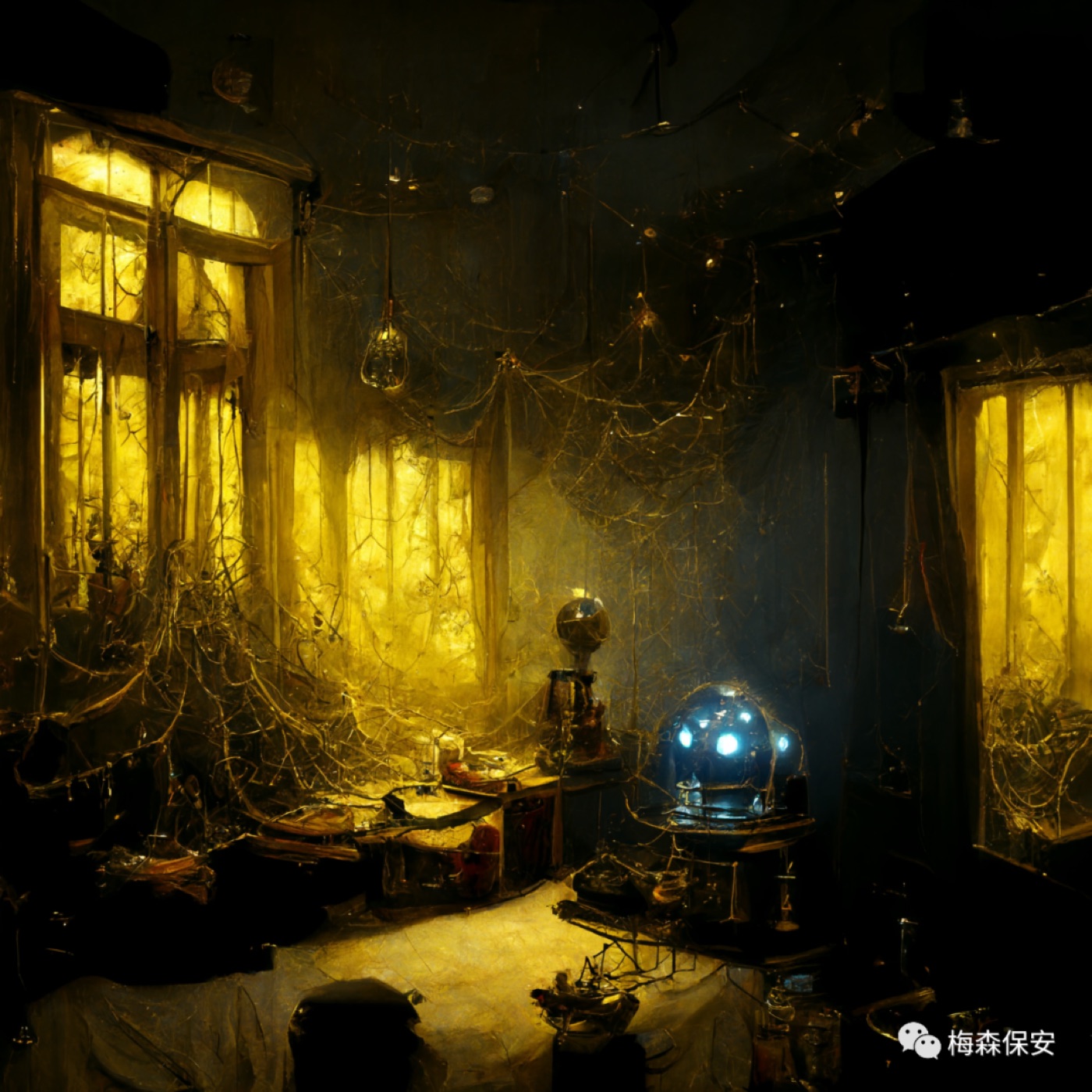
Spring gave way to autumn, and the Empress never visited again. He, too, fell silent in the golden room, amid dense webs and dim lights. Yet storms gathered and broke in the politics of the Empire. Later still, the Empress's jester and some of his former counselors managed, by a winding route, to make contact with him. They brought news. The Empress had chosen a new crown prince, who would ascend the throne on an appointed day. Could Your Highness endure such humiliation?
The jester and the counselors presented him with an exquisite conspiracy. The plan would be carried out at the new king's enthronement. Everyone in power would die, including the Empress and the new king.
He raised no objection and said nothing throughout. Only at the end of the conversation did he make one request. He wanted the Empress's corpse preserved whole. He wanted the physicians to open her torso and spread her nerves into a web. Her head would hang from that web forever.
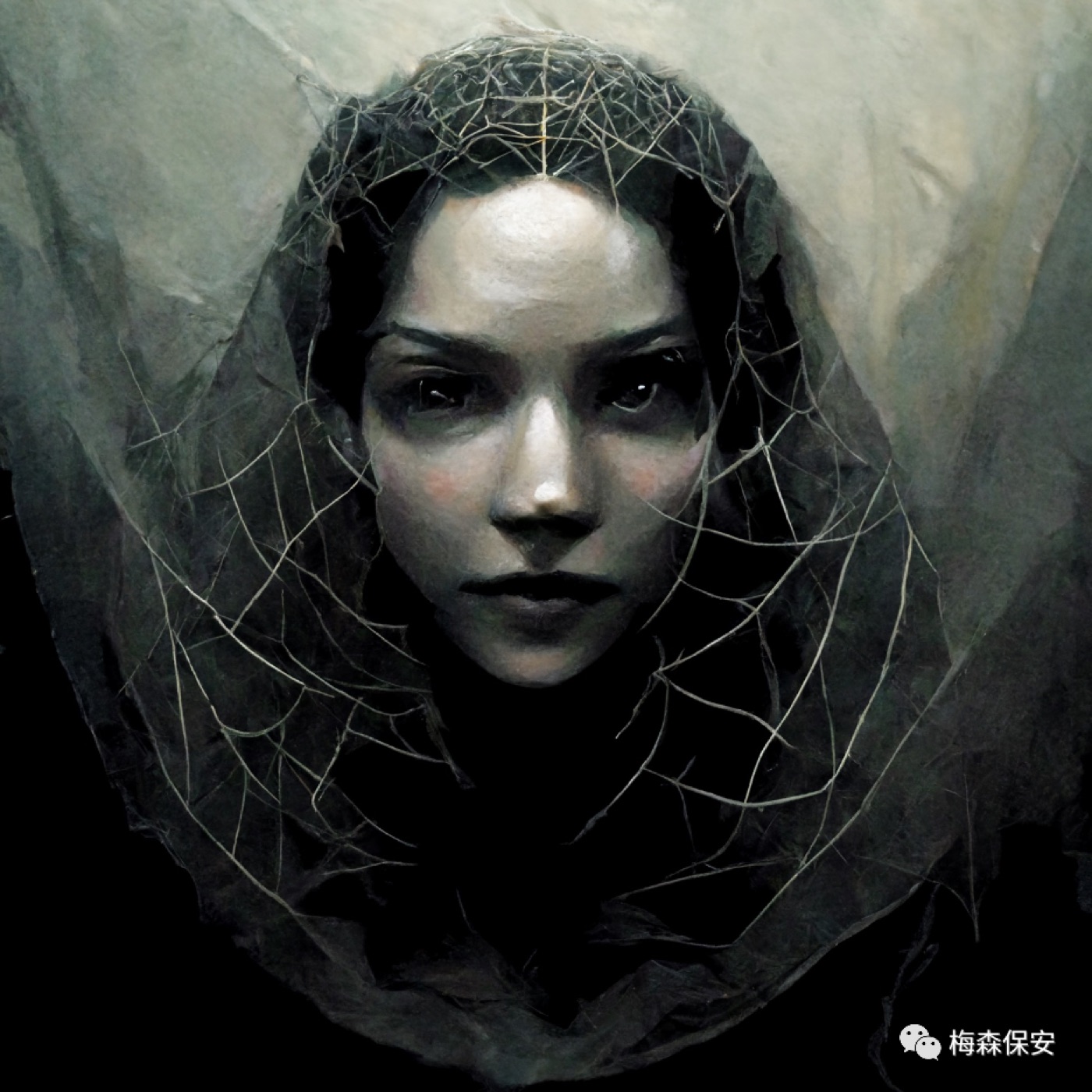
He ascended the throne and became Emperor. He purged his enemies. Some had been enemies, others friends. When at last he had time to spare and sat alone in the sterile palace, now expanded until it seemed boundless, he began to think about what he might do for the Empire. But every time he closed his eyes, he returned to that little golden room and relived the deeply hidden sneer at the corner of his mother's mouth.
He devoted his life to realizing the vision his mother had mocked. He summoned the finest bioengineers in the Empire and spent decades remaking all humanity into spiderwebs, while the imperial core supplied them with energy without end. The entire universe became a vast neural mesh. Into those nerves he tirelessly transmitted the fantasies he had entertained in the little room. Now everyone in the universe could see what he had once dreamed: his cravings, his self-pity, his hallucinations. Was that still not enough to prove her wrong?
But at last this day arrived. The old Emperor sat in his vast and empty palace and suddenly realized that his memories had run dry. Everything that had happened in those years, in that little room, had been wrung from them. He could see nothing more. The golden chamber in his memory—the golden chamber he had never left—had nothing left to inspire him. And by now he had long since lost the habit of opening his eyes.
So on this day, for the first time, he ventured beyond the resources of his own mind. He needed a question to guide him, to help him arrange his thoughts. Random ideas poured in, and once again he felt the delight of a child experimenting with nature. Of all his chaotic and deranged experimental plans, one question pushed to the front. He asked himself: Why does human life matter? What will happen if its nourishment is taken away?
He sat on his vast and empty throne, turning the decision delicately in his hands.